

At a glance
- Start from your tubes: volume, size and how many you process per run at peak.
- Choose the rotor type: swing-out rotors form layers across the tube; fixed-angle rotors collect particles against the tube wall and usually reach higher speeds.
- Decide how much control you need: simple speed and timer settings, or stored programs with acceleration and braking curves.
- Check the safety features: lid lock, imbalance alarm and self-test.
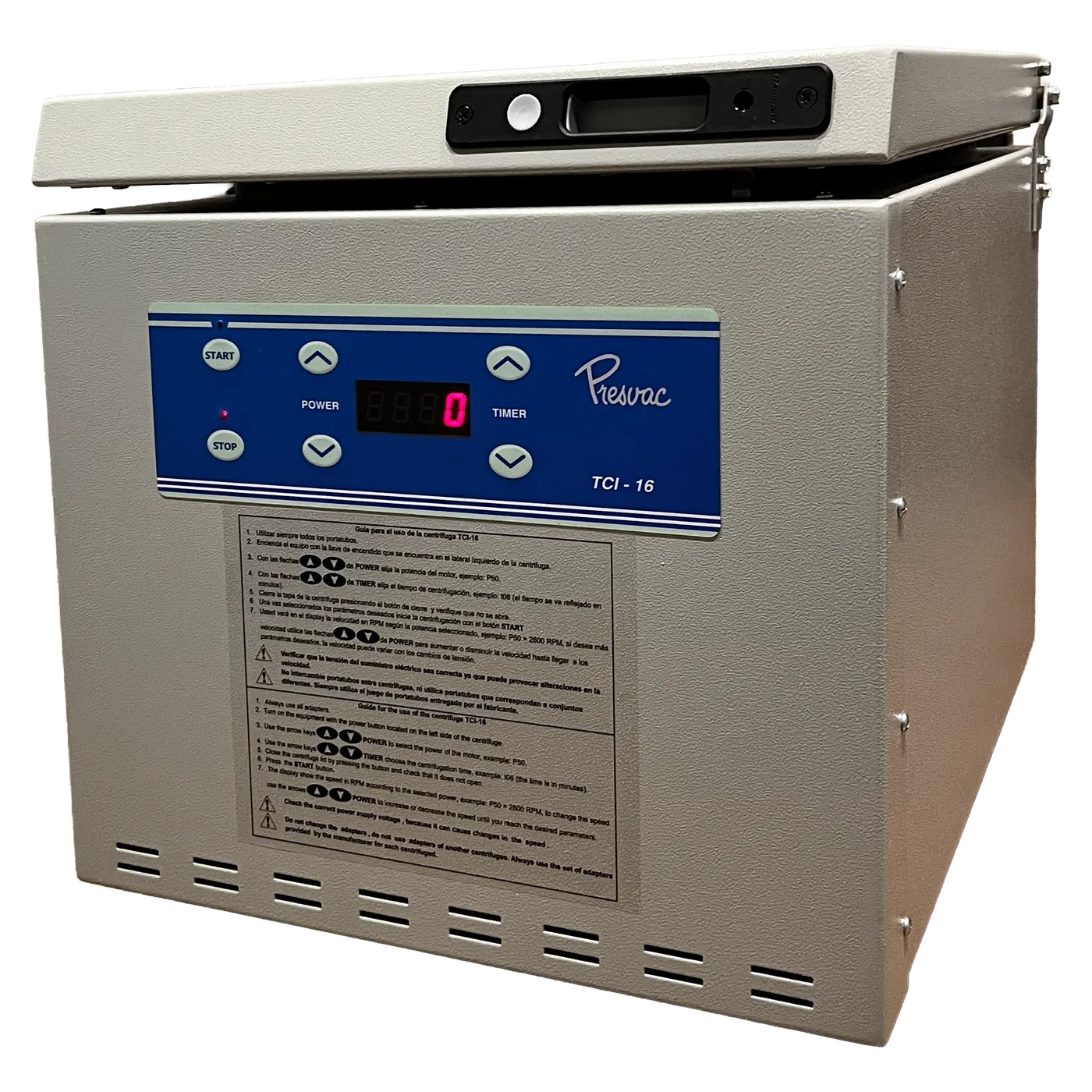
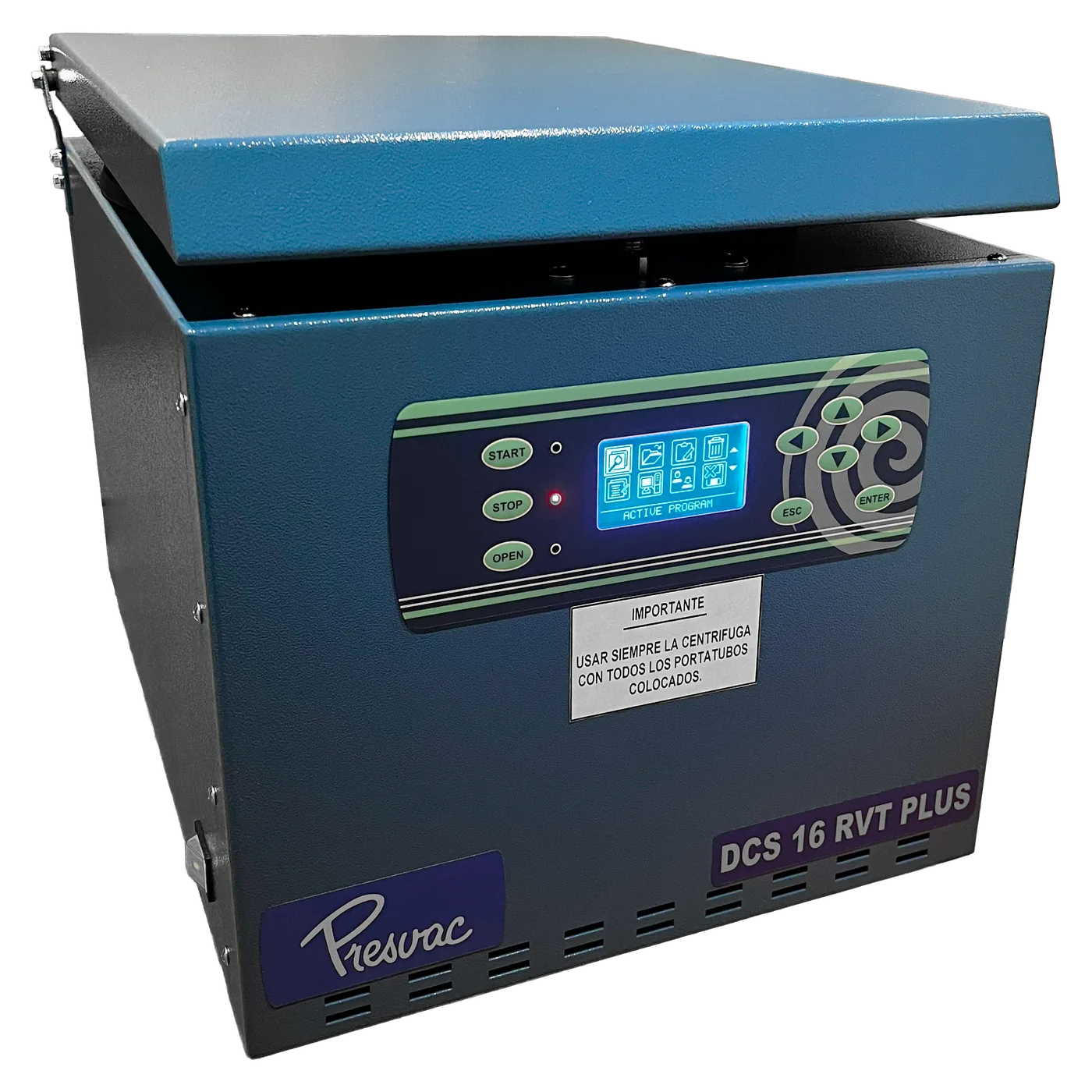
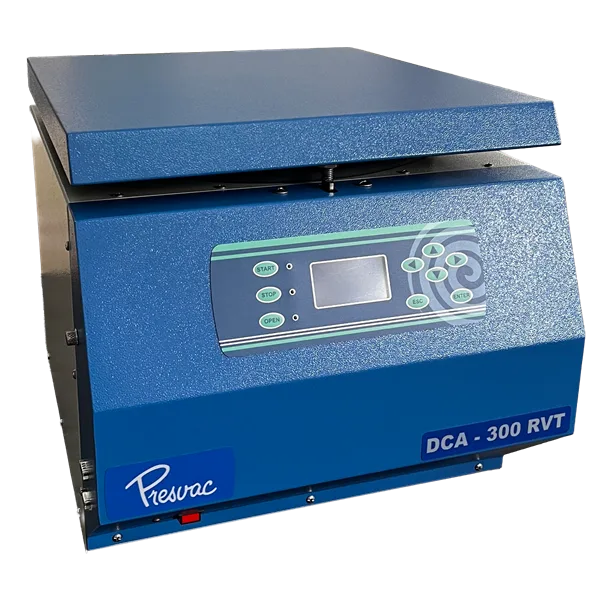
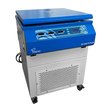
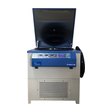
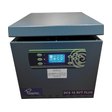
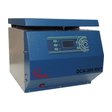
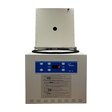
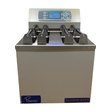
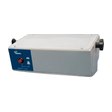
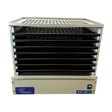
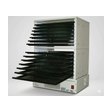
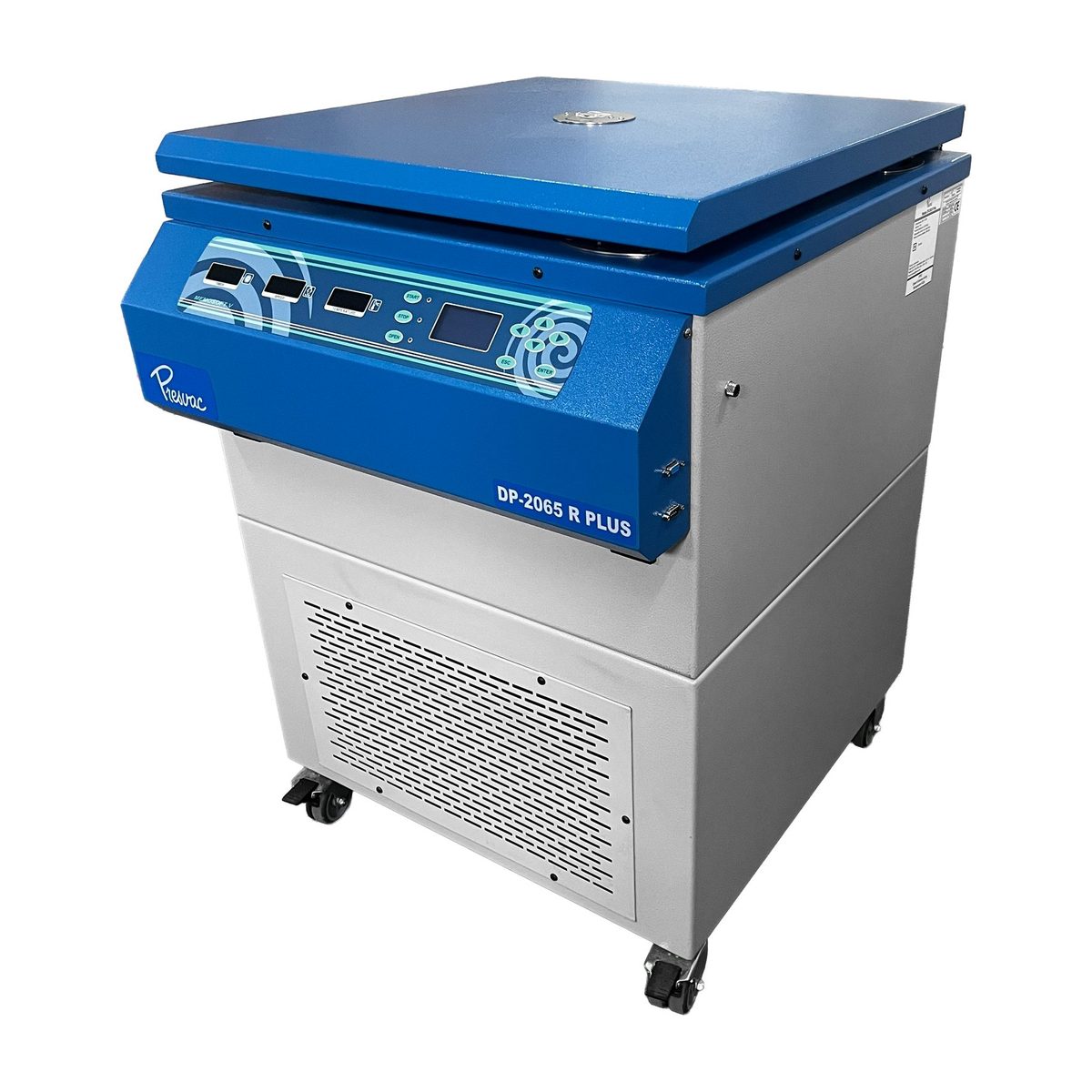
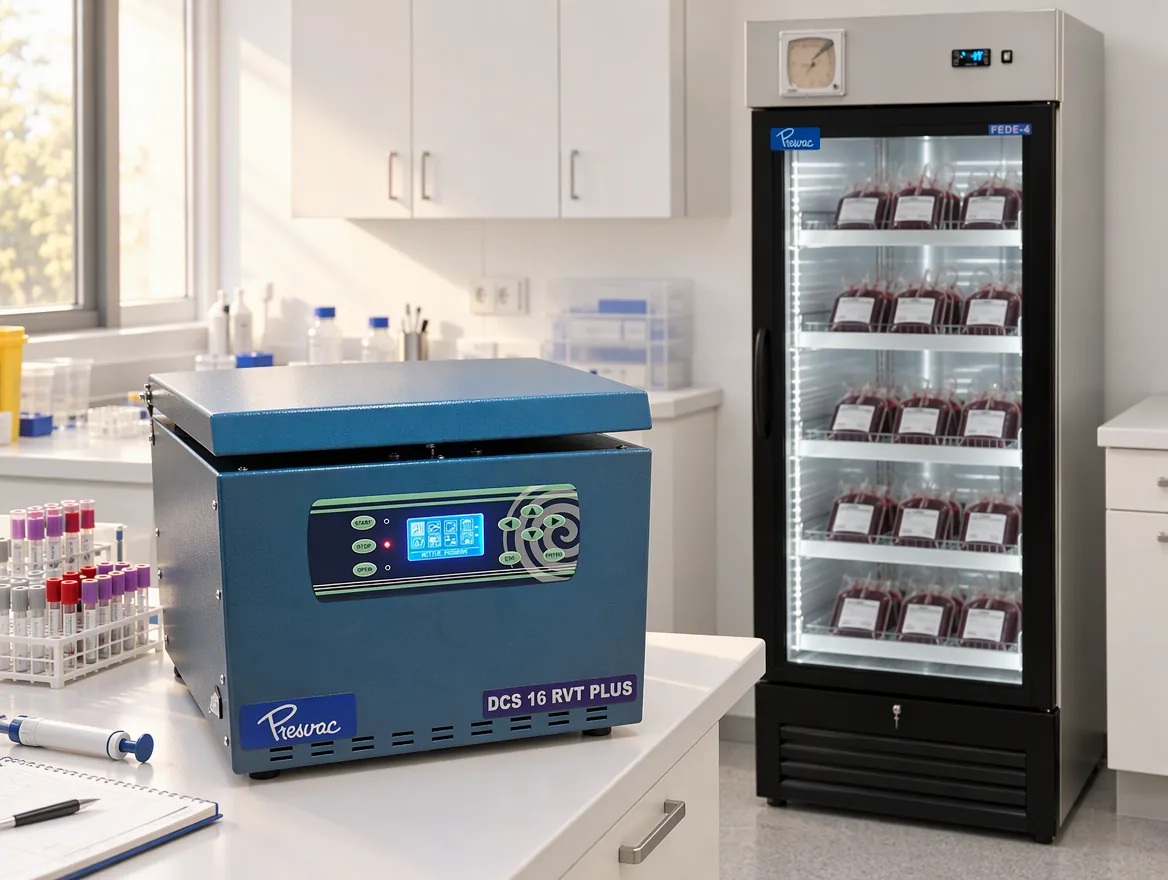
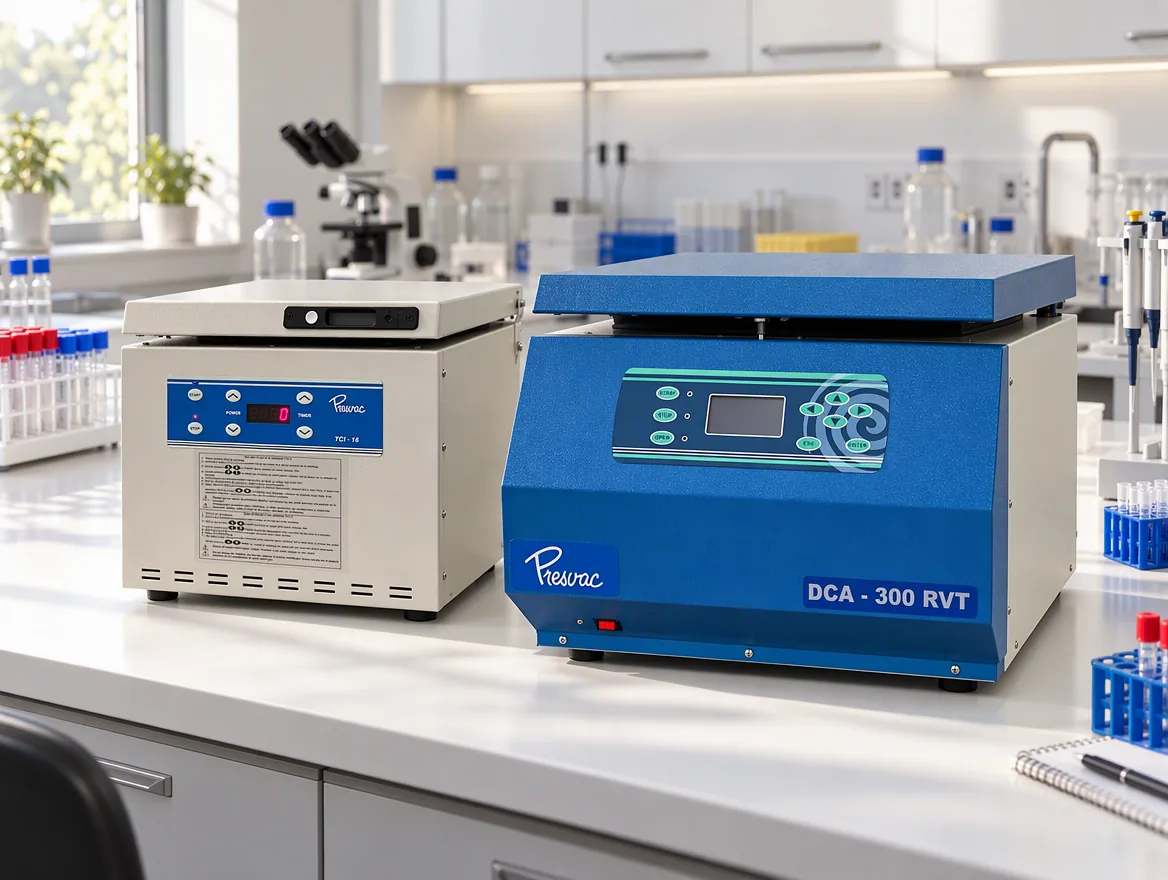
- The Presvac range covers three needs: the TCI-16 for routine clinical work, the DCS-16RVT PLUS for programmable work and crossmatch testing, and the DCA-300 RVT for high capacity.
A laboratory centrifuge separates the components of samples in tubes: serum or plasma from blood cells in routine clinical work, research samples and, in blood banks, crossmatch testing. Most laboratory centrifuges are benchtop units. These five steps cover what to check before you compare models.
1. Start from your tubes
List the tube volumes you use and count how many tubes you process per run on your busiest day. Then check that the rotor takes those tubes, including their diameter and length.
Adapters let one rotor take smaller tubes. On the DCS-16RVT PLUS, for example, the CP-16 rotor holds 15 mL tubes and takes adapters for 5 or 8 mL tubes.
2. Choose the rotor type
- Swing-out rotors. The buckets turn horizontal as the rotor speeds up, so the layers form across the tube with a flat, well-defined boundary. This makes it easier to take off the top layer.
- Fixed-angle rotors. The tubes stay at a set angle. Particles travel a shorter distance and collect against the outer wall and the bottom of the tube. These rotors usually reach higher speeds.
All three Presvac laboratory centrifuges accept interchangeable rotors, so one unit can cover more than one tube size.
Note
Each rotor has its own maximum speed. Check it in the manual and never exceed it with the buckets and adapters you use. If your procedure gives the force in × g, the RPM to RCF (× g) calculator converts it into RPM for your rotor radius.
3. Decide how much control you need
- Simple operation. The TCI-16 has digital speed adjustment with a 4-digit digital tachometer, a digital timer up to 99 minutes and a quick-start function.
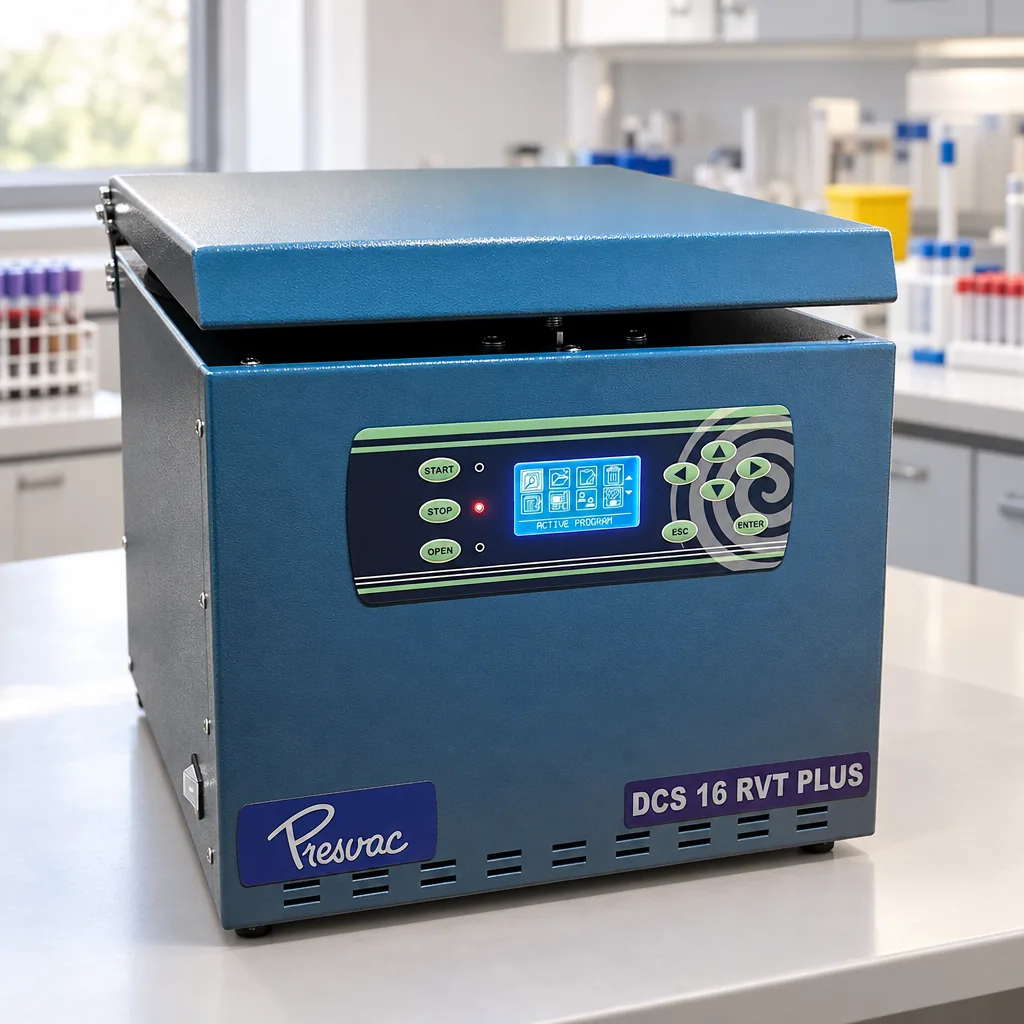
- Stored programs. The DCS-16RVT PLUS and the DCA-300 RVT store up to 50 programs. Their graphic LCD display shows speed, time, RCF in real time and run status, and both offer programmable acceleration and braking curves and a PC connection.
Stored programs help standardize the settings of each procedure and reduce variation between operators.
4. Check the safety features
- TCI-16: anti-splash lid with mechanical lock, rubber shock absorbers and a removable aluminum chamber.
- DCS-16RVT PLUS: lid locking system and overspeed, open-lid and imbalance alarms, with self-test.
- DCA-300 RVT: lid lock and overspeed, imbalance and open-lid alarms, with self-test.
5. Size for capacity and growth
Count the tubes per run and the runs per shift, and leave room for growth. The TCI-16, the DCS-16RVT PLUS and the DCA-300 RVT take up to 36 tubes of 8 mL per run with the CF-36 rotor.
The Presvac range
TCI-16: clinical benchtop centrifuge
Simple and sturdy for routine clinical work. Steel cabinet with baked paint that resists reagents, removable aluminum chamber, anti-splash lid with mechanical lock and rubber shock absorbers. Low-maintenance AC motor with a steel shaft and shielded bearings.
- Swing-out rotors, up to 3,500 RPM: CP-16 (16 × 15 mL), CP-24 (24 × 10 mL), CP-6/50 (6 × 50 mL) and CP-4/50 (4 × 50 mL).
- Fixed-angle rotors, up to 5,000 RPM: CF-36 (36 × 8 mL), CF-24 (24 × 15 mL), CF-16 (16 × 15 mL) and CF-12 (12 × 15 mL).
DCS-16RVT PLUS: programmable laboratory centrifuge
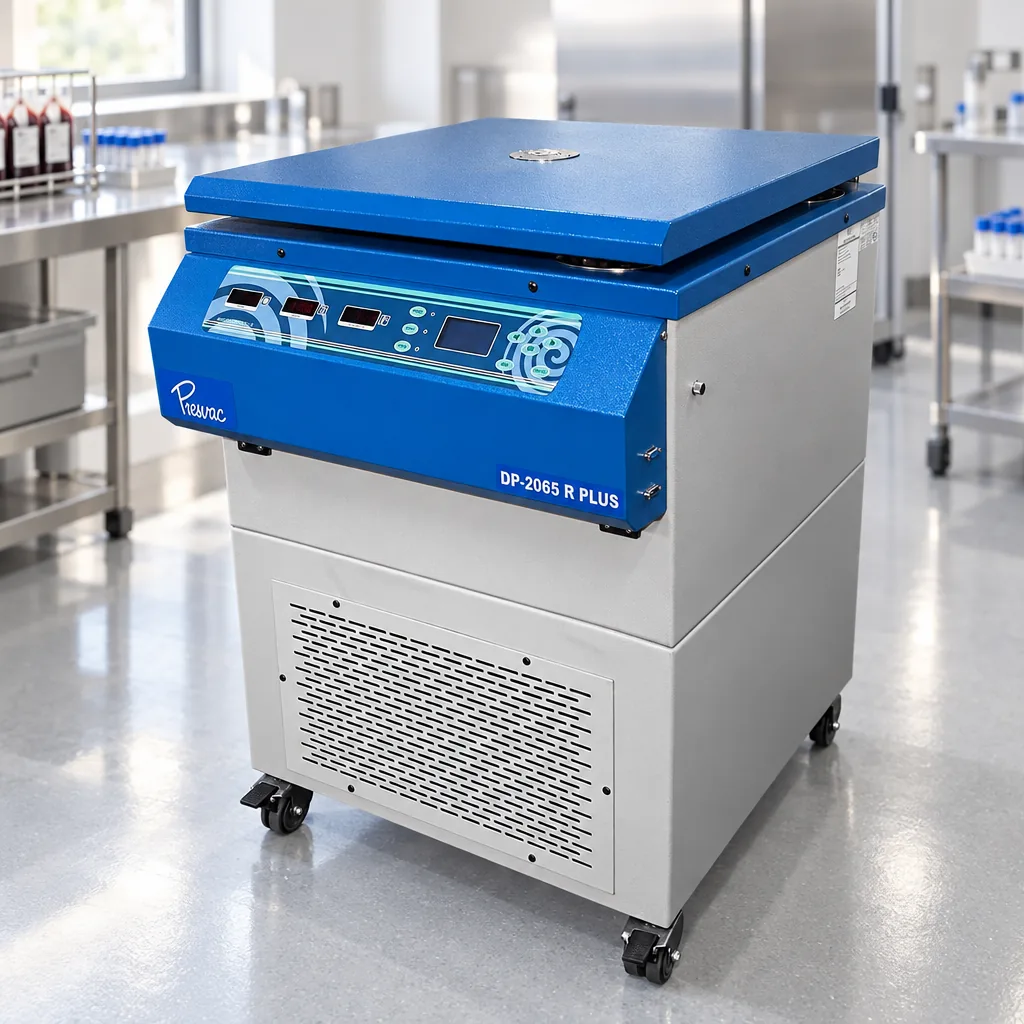
Medium capacity for laboratories, research and blood banks, where it handles routine procedures and crossmatch testing. 50 programs, graphic LCD display, acceleration and braking curves, alarms with self-test, lid safety lock, PC connection and a maintenance-free induction motor.
- Swing-out rotors, up to 3,500 RPM: CP-16 (16 × 15 mL, adapters for 5 or 8 mL), CP-24 (24 × 15 mL, adapters for 5 or 8 mL), CP-4/50 (4 × 50 mL) and CP-6/50 (6 × 50 mL).
- Fixed-angle rotors, up to 5,000 RPM: CF-36 (36 × 8 mL), CF-24 (24 × 15 mL), CF-16 (16 × 15 mL), CF-12 (12 × 15 mL) and CF-6 (6 × 15 mL); all except the CF-36 take adapters for 5 or 8 mL.
DCA-300 RVT: high-capacity benchtop centrifuge
For laboratories that process many tubes per run. Up to 5,000 RPM depending on the rotor, 50 programs, real-time RCF, graphic LCD display, acceleration and braking curves, stainless steel interior, alarms with self-test, lid lock, PC connection and a maintenance-free induction motor.
- Fixed-angle rotors, up to 5,000 RPM: CF-36 (36 × 8 mL), CF-24 (24 × 15 mL, adapters for 5 and 8 mL) and CF-16 (16 × 15 mL, adapters for 5 and 8 mL).
Which model fits?
Which one fits
- TCI-16 Routine clinical work with simple controls.
- DCS-16RVT PLUS Laboratories and blood banks that need stored programs, for example for crossmatch testing.
- DCA-300 RVT Laboratories that need a high-capacity benchtop unit with stored programs.
Checklist before you buy
Checklist
- Tube volumes and sizes you use
- Peak number of tubes per run and runs per shift
- Rotor type: swing-out, fixed-angle or both
- Stored programs, acceleration and braking curves and PC connection
- Bench space and the power supply in the room
Frequently asked questions
FAQ
Can one centrifuge take different tube sizes?
Yes. Presvac laboratory centrifuges accept interchangeable rotors, and several rotors take adapters for smaller tubes.
How do I set the speed for a procedure given in × g?
Find the maximum radius of your rotor in the manual and enter it with the force in the RPM to RCF (× g) calculator. It returns the RPM to set. Never exceed the maximum speed of the rotor, buckets and adapters. The conversion does not replace validating your procedure.
Do Presvac laboratory centrifuges store programs?
The DCS-16RVT PLUS and the DCA-300 RVT store up to 50 programs. The TCI-16 uses direct speed and timer settings, with a quick-start function.
Do you provide installation and training?
Yes. Presvac installs the equipment, trains the users and helps plan preventive and corrective maintenance.
New to centrifugation? Start with What is a centrifuge and how does it work? See all Presvac centrifuges or request a quote.