


At a glance
- Start from the maximum inventory and what you will store: blood bags, biological products or medicines.
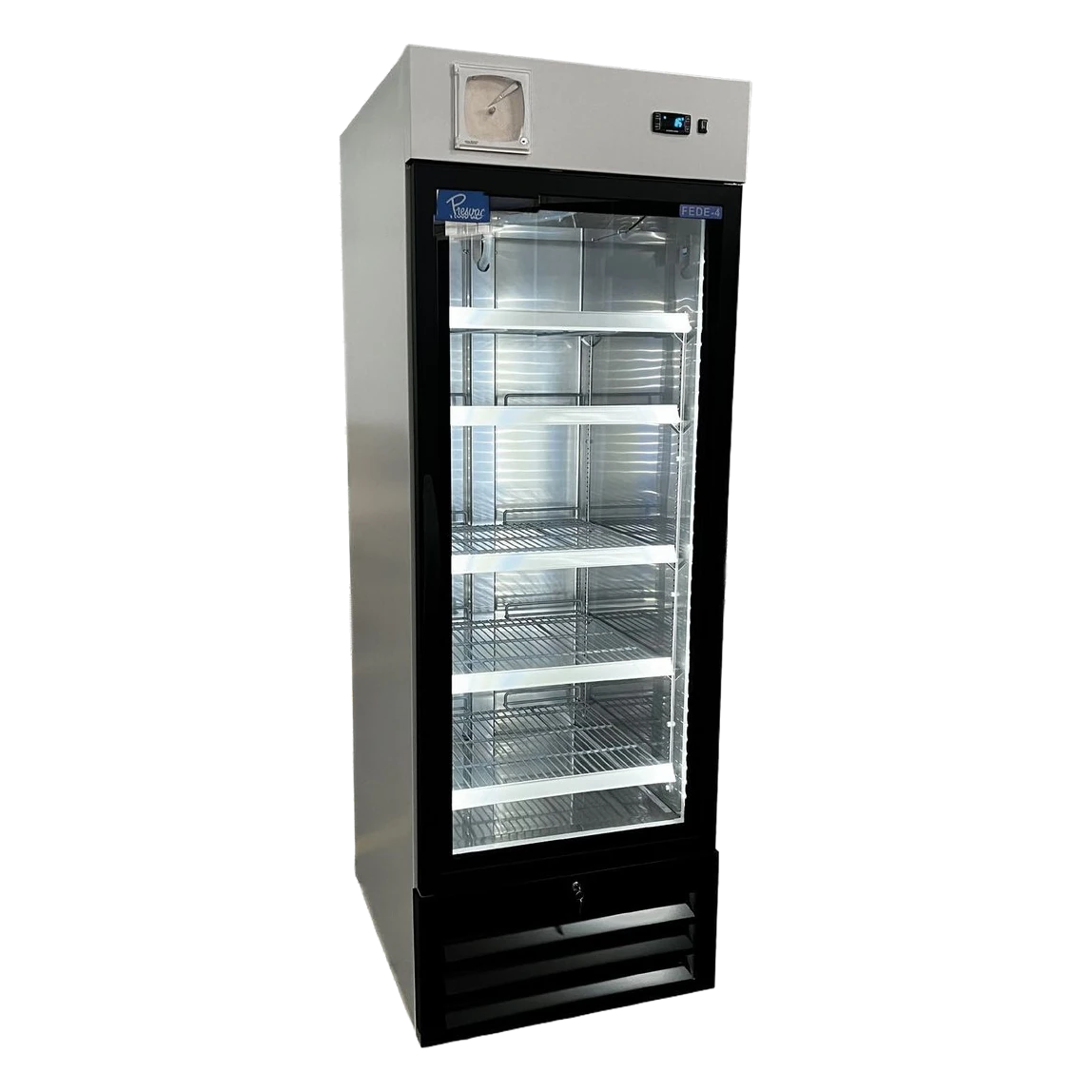
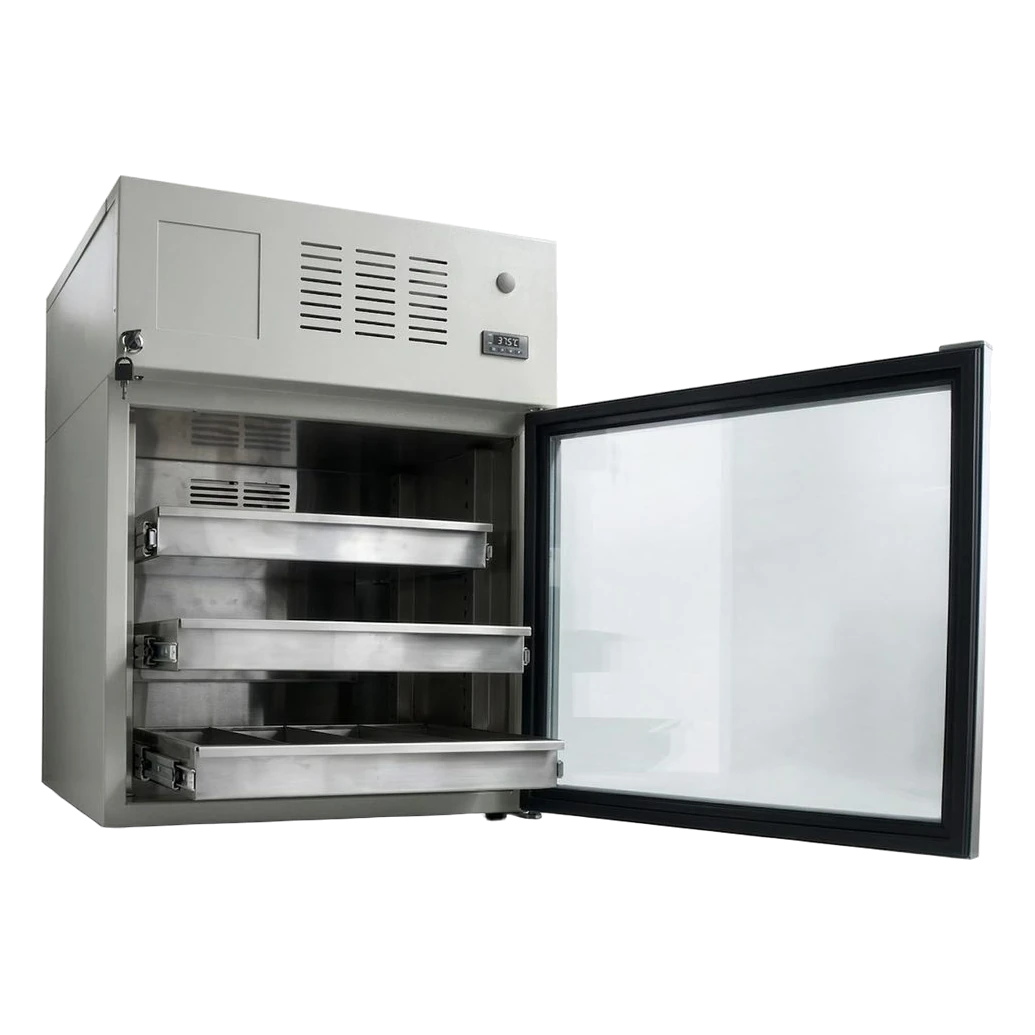
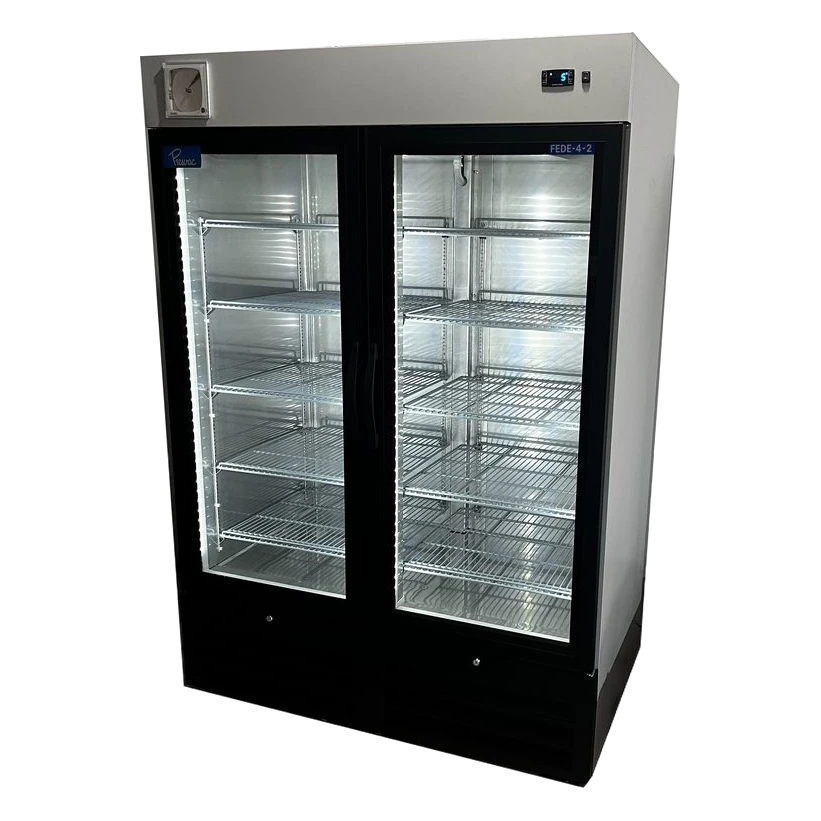
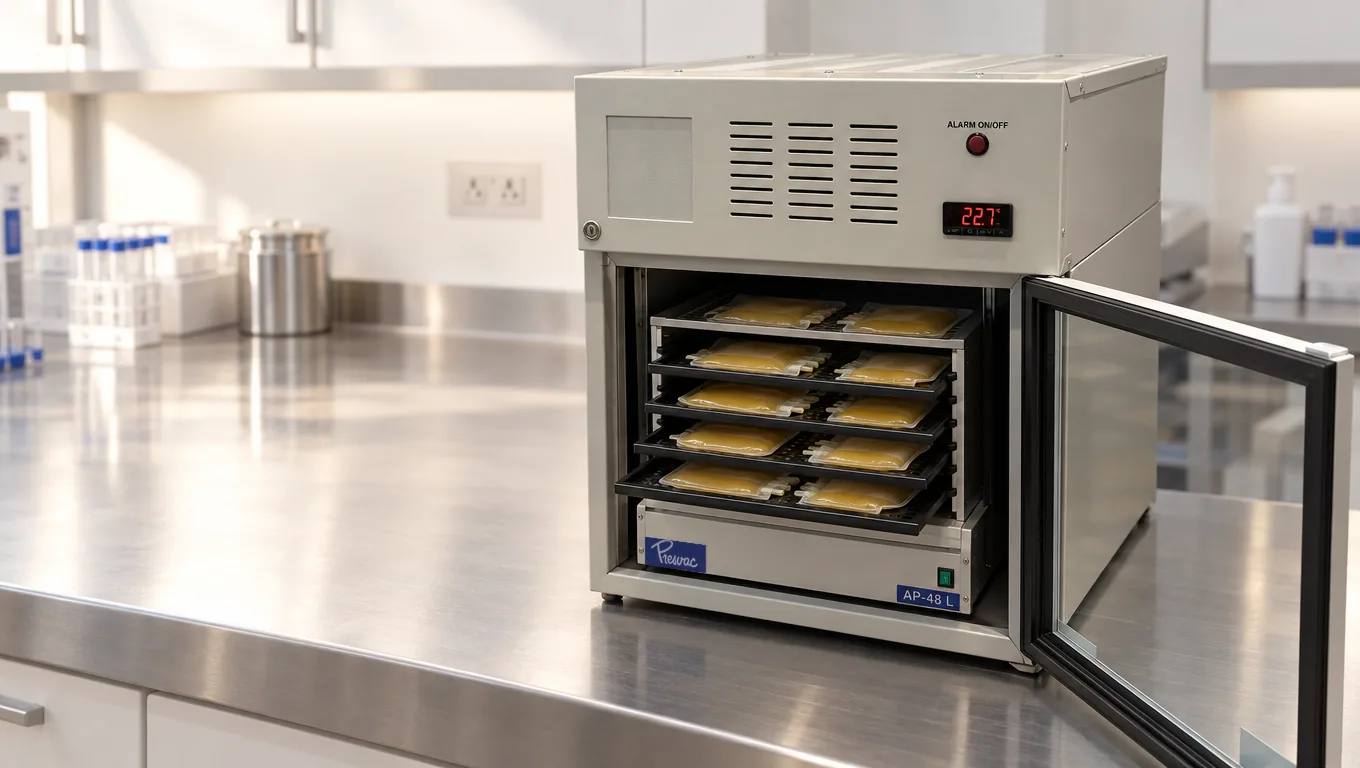
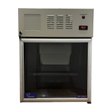
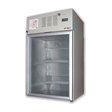
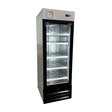
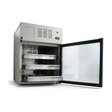
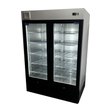
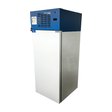
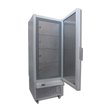
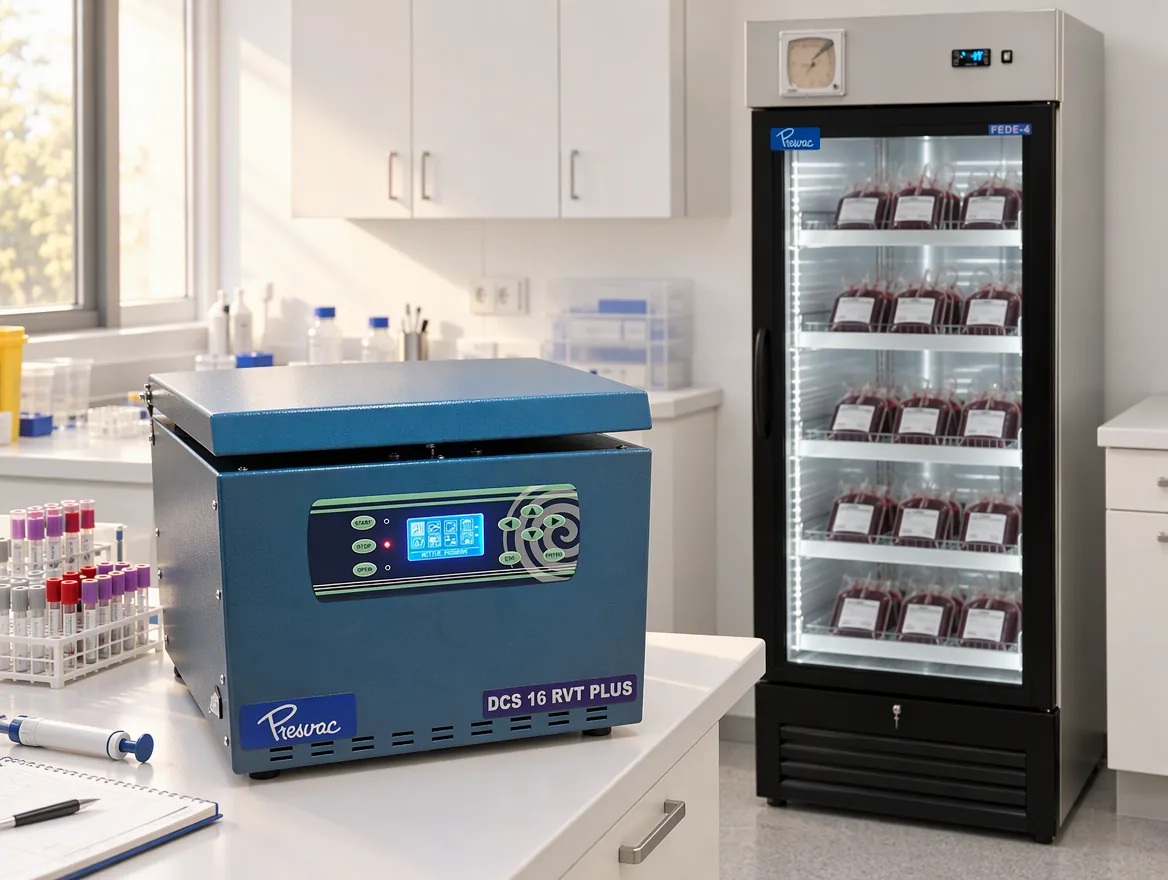
- The FEDE-4 range offers a compact 130 L cabinet plus 550 L single-door and 1,040 L double-door cabinets, from 100 to 720 bags of 500 mL.
- A liquid-based sensor reads blood temperature, and forced air keeps it uniform and recovers 4 °C quickly after door openings.
- Check the alarms and traceability: high/low temperature alarms come standard; door-open and power-failure alarms (FEDE-4 and FEDE-4-2) and a Wi-Fi data logger are optional.
A blood bank refrigerator must hold a uniform temperature, protect the cold chain and make inventory easy to manage. Five points decide the right model.
Key figures
- 4 °C setpoint
- 100–720 bags of 500 mL
- 130 / 550 / 1,040 L single or double door
1. Define what will be stored
Decide whether the cabinet will hold mainly blood bags, biological products, medicines or a mix. Calculate usable volume from the maximum inventory, not the average.
Note
Leave space for air circulation. Overloading the cabinet or blocking the air ducts affects temperature uniformity.
2. Choose the capacity
Table: FEDE-4 configurations
- Model | Volume | Bags (500 mL) | Doors | Shelves
- FEDE-4 100 | 130 L | 100 | 1 | 3
- FEDE-4 / 240 BAG | 550 L | 240 | 1 | 4
- FEDE-4 / 360 BAG | 550 L | 360 | 1 | 5
- FEDE-4-2 / 480 BAG | 1,040 L | 480 | 2 | 8
- FEDE-4-2 / 720 BAG | 1,040 L | 720 | 2 | 10
Account for inventory peaks, turnover and growth. Too large a chamber wastes space; too small compromises organization.
3. Prioritize uniformity and recovery
- Liquid-based temperature sensor: reads the temperature of the blood, not the air, avoiding false alarms from brief air changes
- Forced-air circulation: uniform temperature, no hot spots
- Fast recovery to the 4 °C setpoint, even with frequent door openings
- Tempered Low-E glass doors: better insulation and visibility, so units can be located before opening
4. Review alarms and data recording
Table: Standard and optional
- Function | Included
- High and low temperature alarms, visual and audible | Standard
- Door-open alarm | Optional (FEDE-4 and FEDE-4-2)
- Power-failure alarm | Optional (FEDE-4 and FEDE-4-2)
- Digital control with continuous monitoring | Standard
- Wi-Fi data logger with cloud monitoring | Optional
- Chart recorder | Optional
- Remote alarm system | Optional
5. Evaluate access, installation and organization
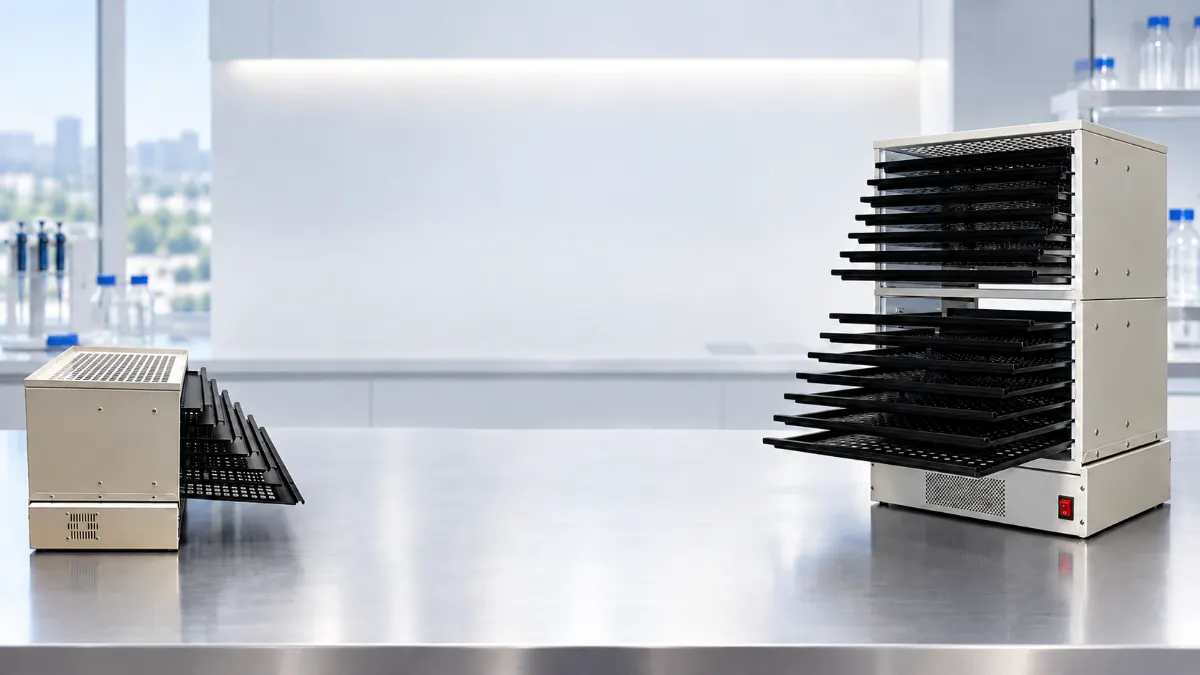
Verify the access route, doorway width, floor and the space needed to open the doors. Stainless steel trays with telescopic guides and dividers are available to keep inventory organized.
Checklist before you buy
Checklist
- What you will store and the maximum inventory
- Number of bags and shelves you need
- How often the doors are opened
- Alarms and records required by your quality system
- Access route, doorway width and installation space
Which model fits?
Which one fits
- FEDE-4 100 Single door, 130 L, 100 bags. For services with a lower volume of units.
- FEDE-4 Single door, 550 L, 240 or 360 bags. For most blood banks and laboratories.
- FEDE-4-2 Double door, 1,040 L, 480 or 720 bags. For high-demand blood banks or separated inventories.
Frequently asked questions
FAQ
Why a liquid-based sensor?
It simulates the thermal inertia of blood, so the reading reflects the stored units and brief air changes at each opening do not trigger false alarms.
Can the temperature be monitored remotely?
Yes. An optional Wi-Fi data logger provides cloud monitoring, data storage, reports and automatic alarms. Remote alarms are also available.
Do you provide installation and training?
Yes. Presvac installs the equipment, trains the users and helps plan preventive and corrective maintenance.