


At a glance
- Cryoprecipitate is the cold-insoluble fraction of plasma, recovered by thawing fresh frozen plasma at low temperature. It concentrates fibrinogen, factor VIII, von Willebrand factor, factor XIII and fibronectin in a small volume.
- It is mainly used to replace fibrinogen in bleeding patients. For hemophilia A, von Willebrand disease and factor XIII deficiency, specific factor concentrates are preferred when they are available.
- To prepare it, fresh frozen plasma is thawed in the cold (+1 °C to +6 °C in the US, +2 °C to +6 °C in the Council of Europe guide), centrifuged at the same temperature, most of the plasma above the precipitate is removed, and the precipitate is refrozen quickly.
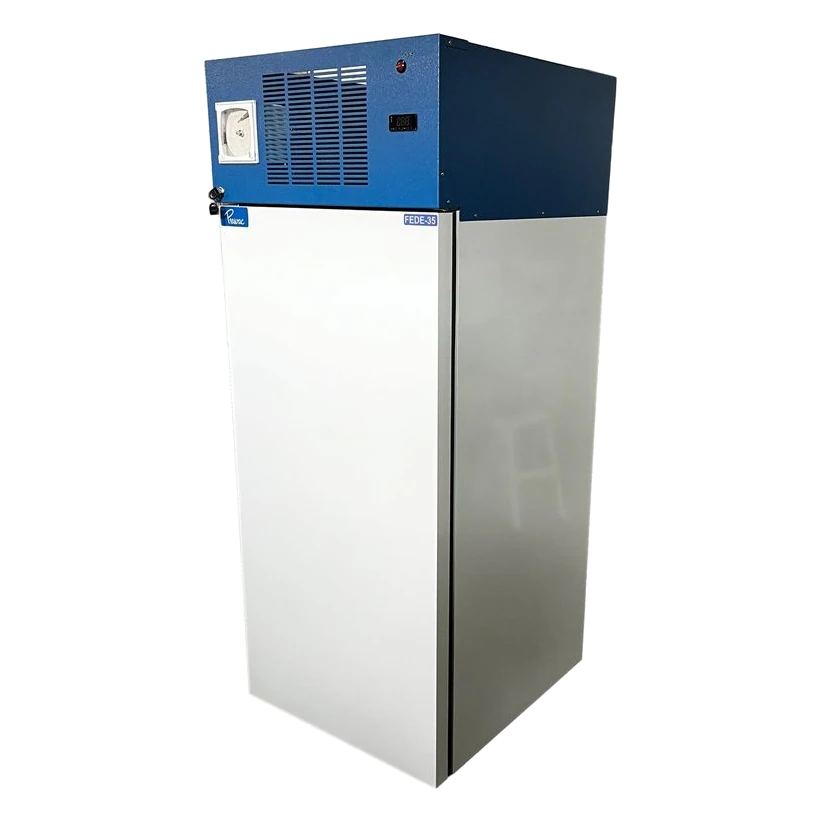
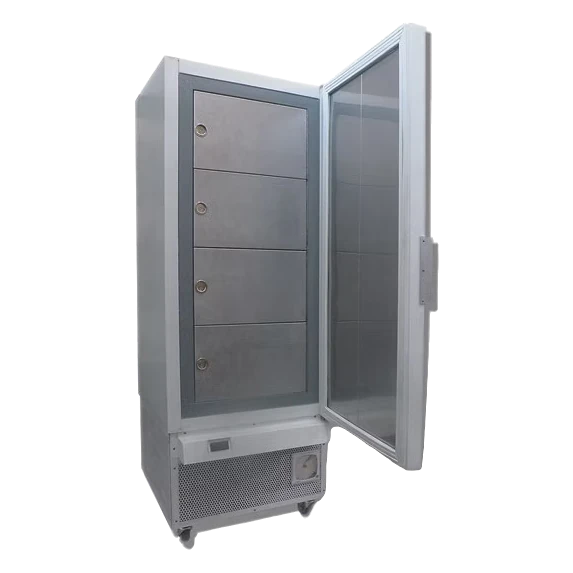
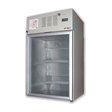
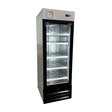
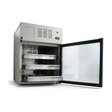
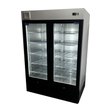
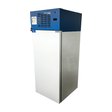
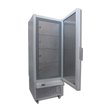
- It is stored frozen: −25 °C or colder for up to 36 months under the Council of Europe guide, or −18 °C or colder for up to 1 year under US rules. A freezer at −35 °C, such as the FEDE-35, meets both.
- Before transfusion it is thawed with a validated procedure without exceeding +37 °C, used within hours and never refrozen.
Cryoprecipitate, or cryoprecipitated antihemophilic factor (cryo), is a blood component made from fresh frozen plasma. When frozen plasma thaws at refrigerator temperature, some proteins do not dissolve again and form a white precipitate. Collected and refrozen in a small volume of plasma, that precipitate becomes a concentrated source of fibrinogen and other clotting proteins. This guide explains what cryoprecipitate contains, how a blood bank prepares and stores it, and which equipment each step needs.
What cryoprecipitate contains
Cryoprecipitate contains fibrinogen, factor VIII, von Willebrand factor, factor XIII and fibronectin. The quality specifications depend on the standard:
Table: Cryoprecipitate quality specifications
- Parameter | Council of Europe guide (per unit) | US Circular of Information (per unit)
- Fibrinogen | 140 mg or more | 150 mg or more
- Factor VIII | 70 IU or more, required when used to treat hemophilia A | 80 IU or more
- von Willebrand factor | More than 100 IU, required when used to treat von Willebrand disease | Present, no minimum listed
- Volume | 30 to 40 mL | About 5 to 20 mL
The Council of Europe specifications apply to cryoprecipitate made from the plasma of one unit of whole blood; values may differ when apheresis plasma is the starting material. The plasma removed during preparation is called cryoprecipitate-poor plasma, or plasma cryoprecipitate reduced, and is a component with its own specifications.
What it is used for
The US Circular of Information lists cryoprecipitate for bleeding caused by fibrinogen deficiency, and as a second-line option for von Willebrand disease and hemophilia A when specific factor concentrates are not available. The decision to transfuse belongs to the treating physician and the transfusion service, following their own guidelines.
How cryoprecipitate is prepared
- Freeze the plasma fast. Factor VIII is labile, so the plasma is frozen soon after collection. The Council of Europe guide says that, with a validated freezing process, the core of the plasma should reach −25 °C or colder within 1 hour; this usually needs a blast freezer. Presvac makes the FH-80 −80 °C ultra-low freezer for rapid freezing and frozen storage of plasma units. Actual freezing performance has to be validated under your loading and operating conditions.
- Thaw in the cold. The fresh frozen plasma is thawed at +1 °C to +6 °C (+2 °C to +6 °C in the Council of Europe guide), often overnight, or with the rapid thaw-siphon technique. The cold-insoluble proteins remain as a precipitate.
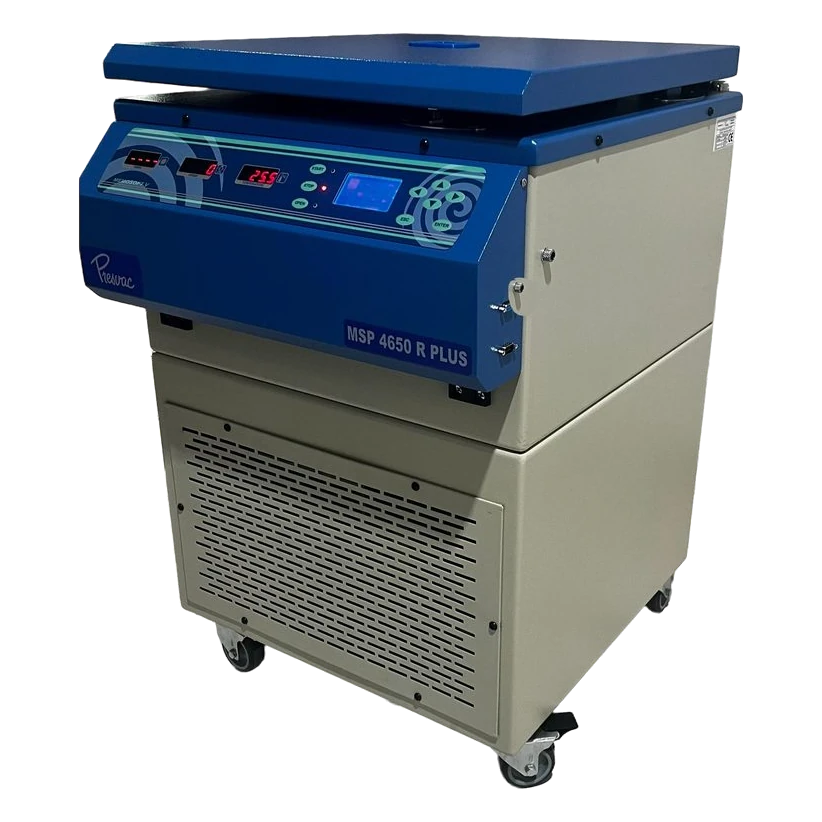
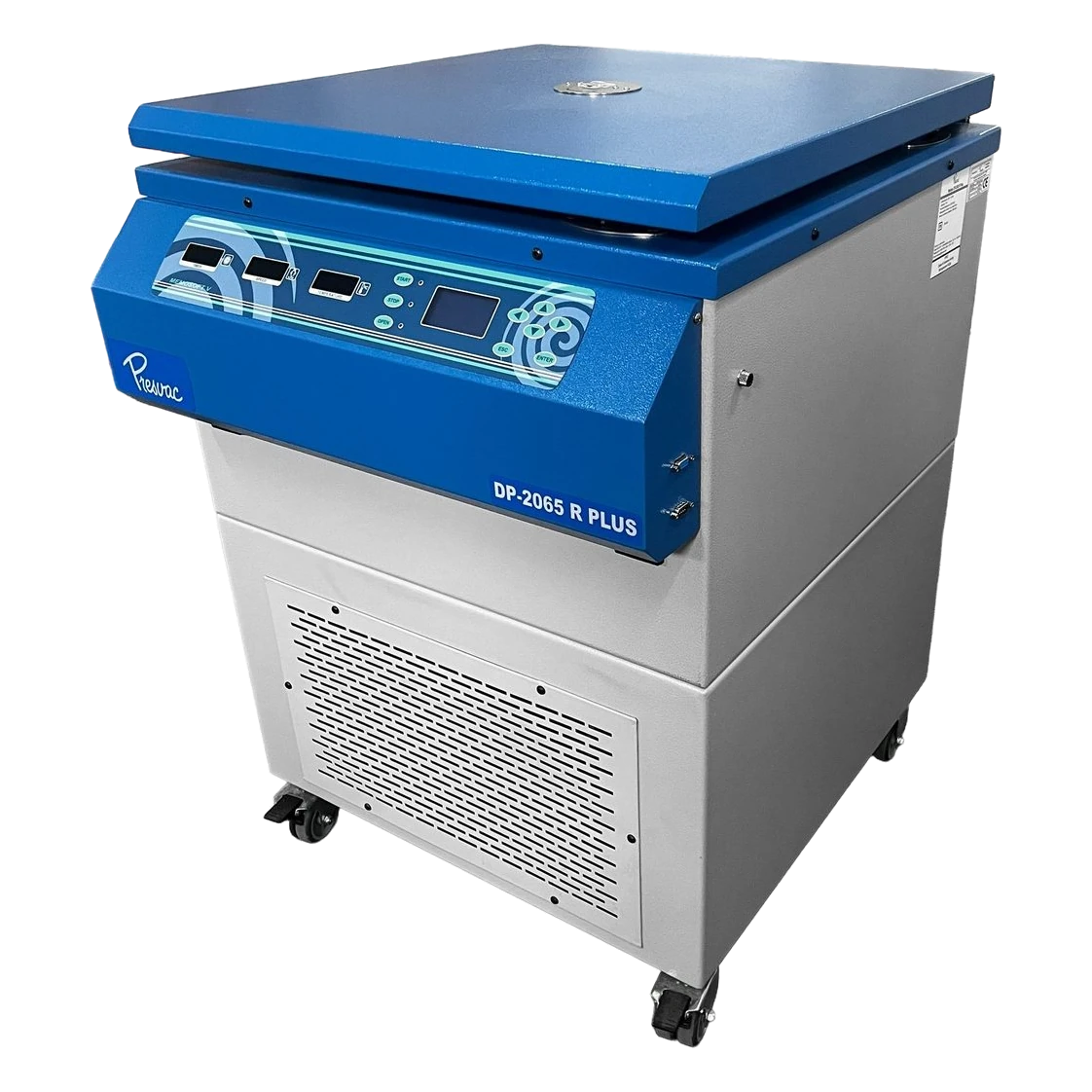
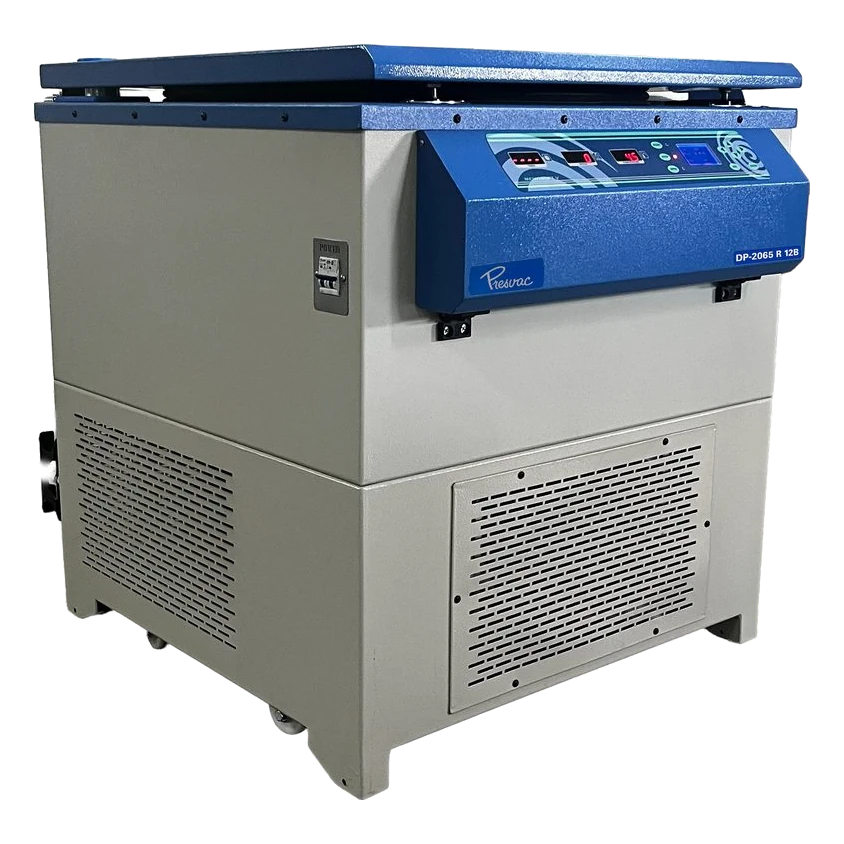
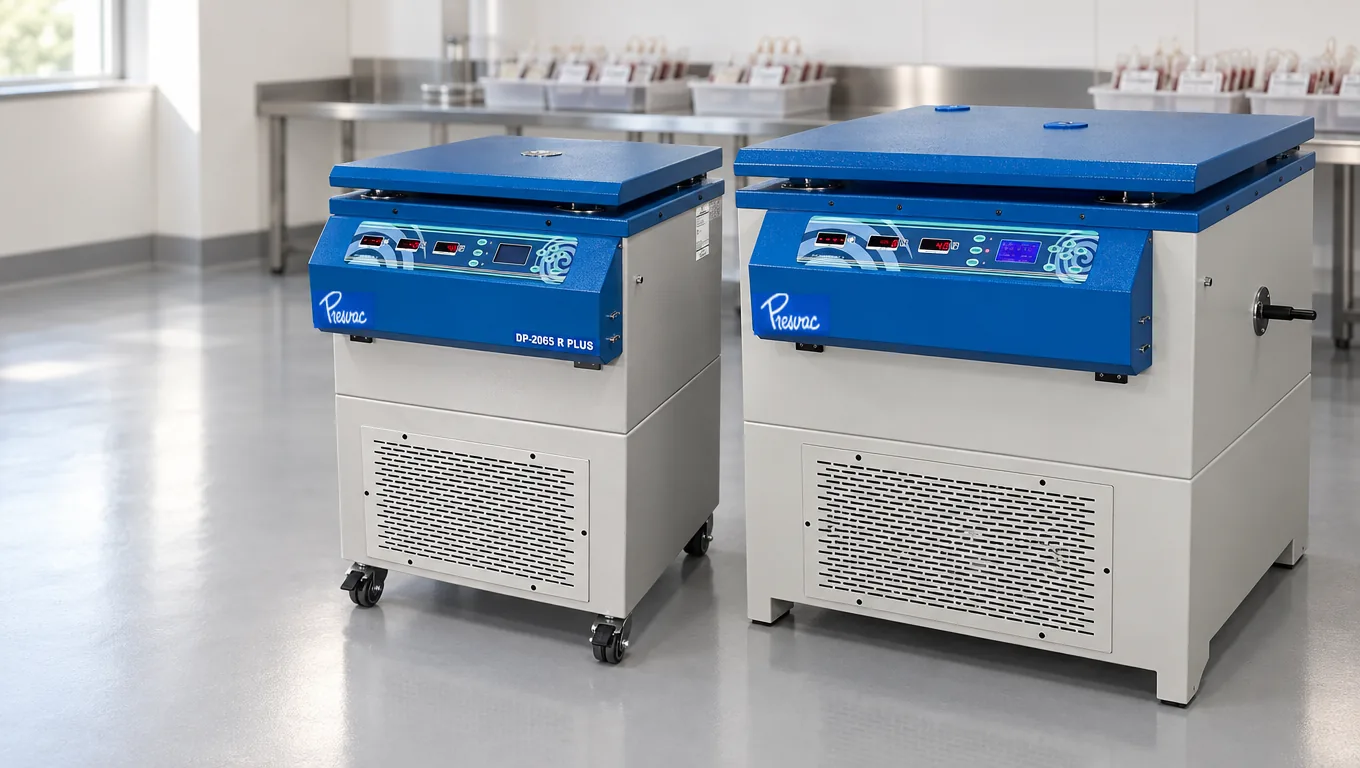
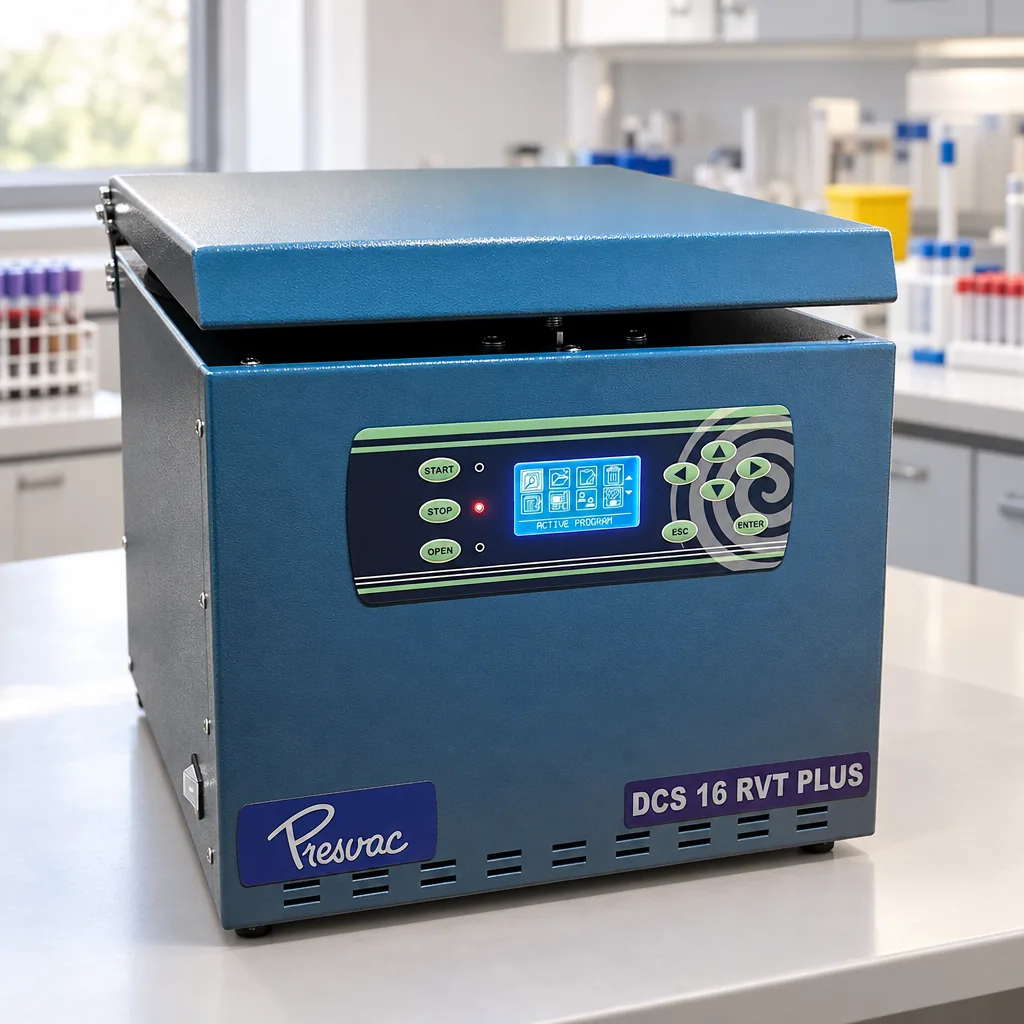
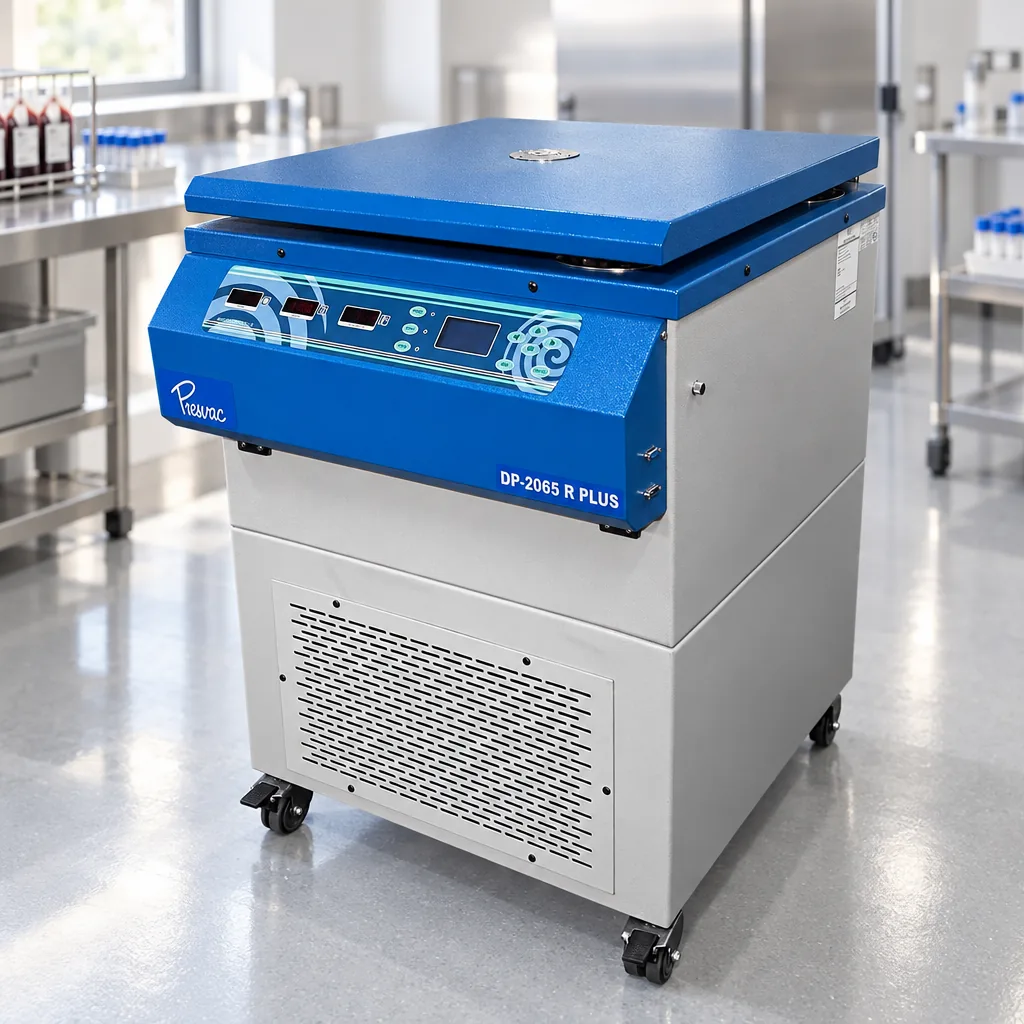
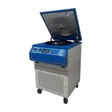
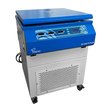
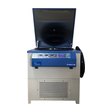
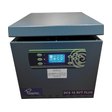
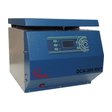
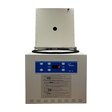
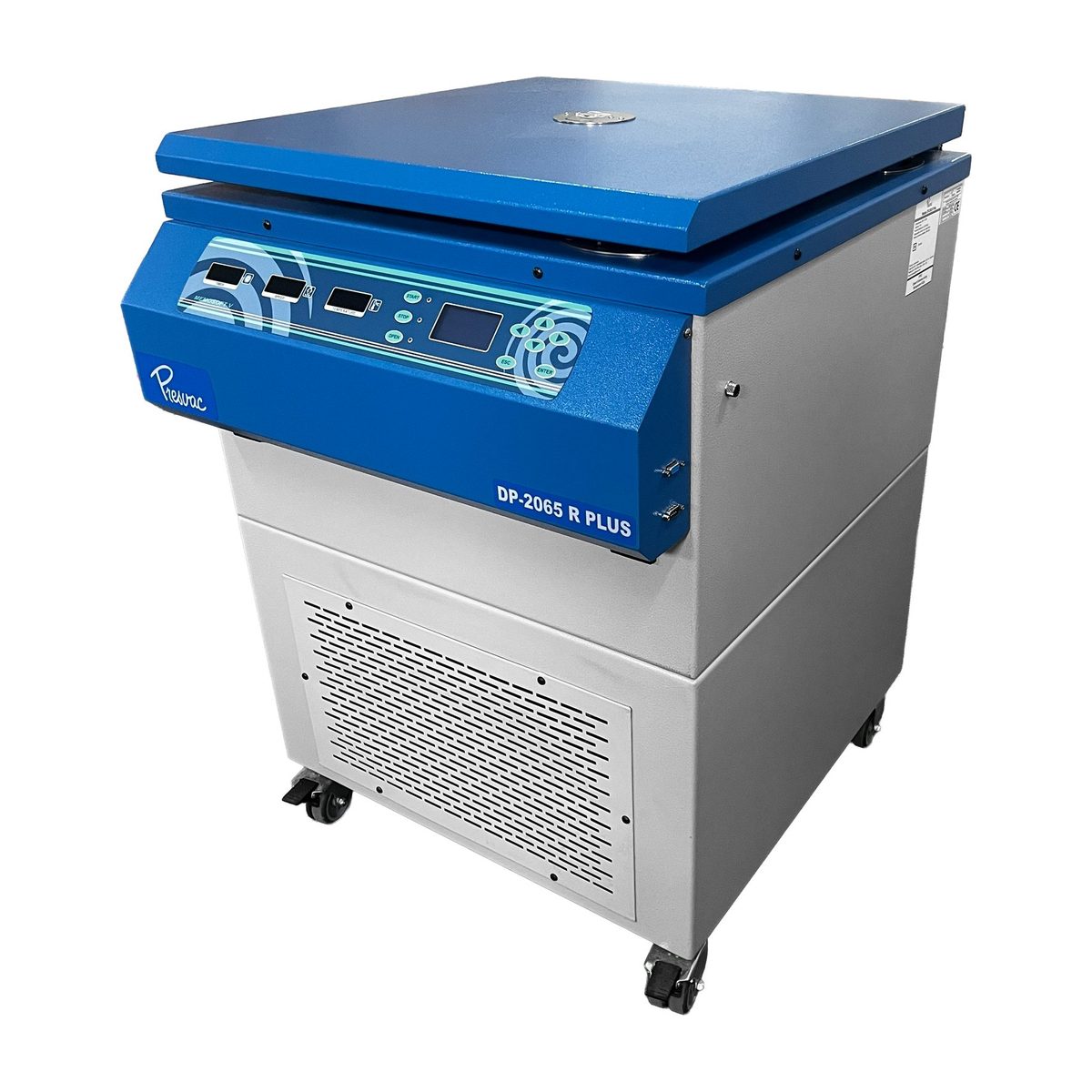
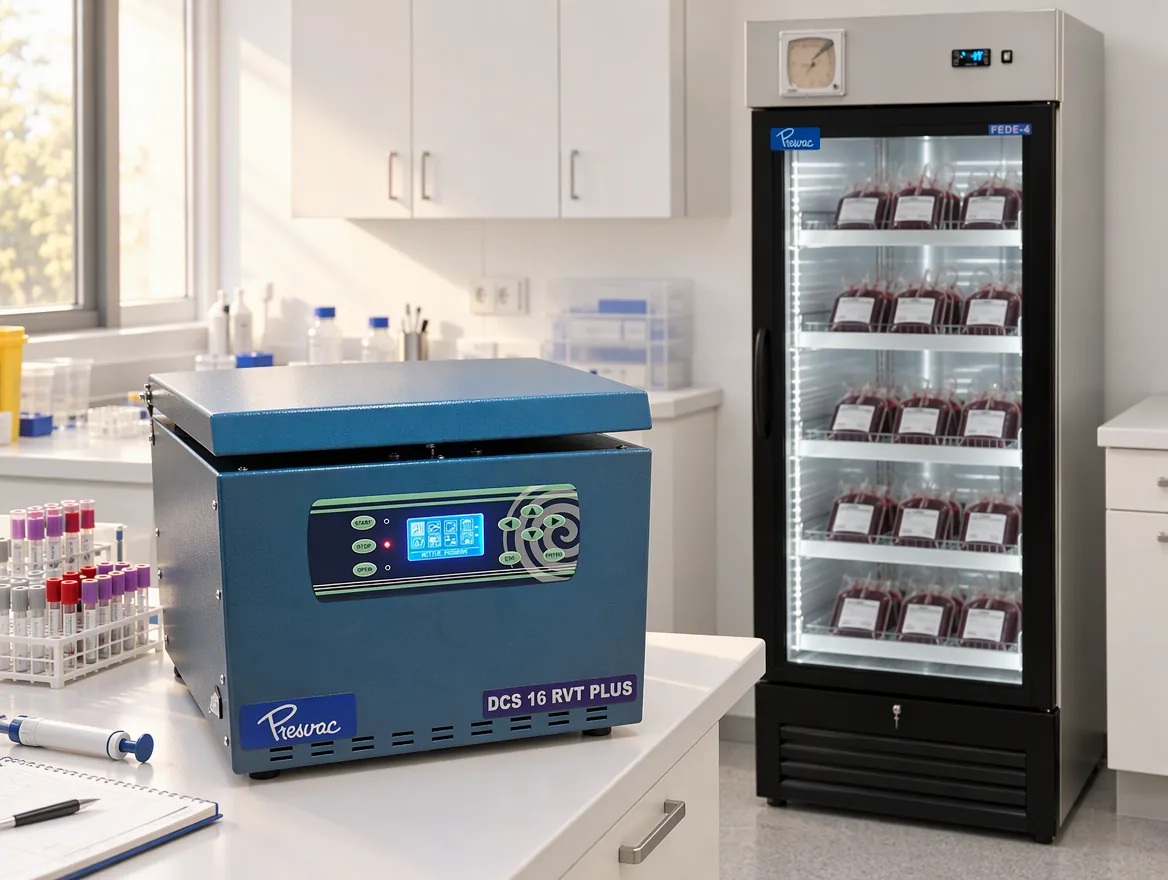
- Centrifuge at the same low temperature. A hard spin in a refrigerated blood bag centrifuge settles the precipitate at the bottom of the bag. Presvac blood bag centrifuges are programmable from 4 °C to 40 °C, and MEMOSOFT V stores up to 50 protocols, which supports repeatable settings. Verify the setpoint and the actual product temperature as part of process validation.
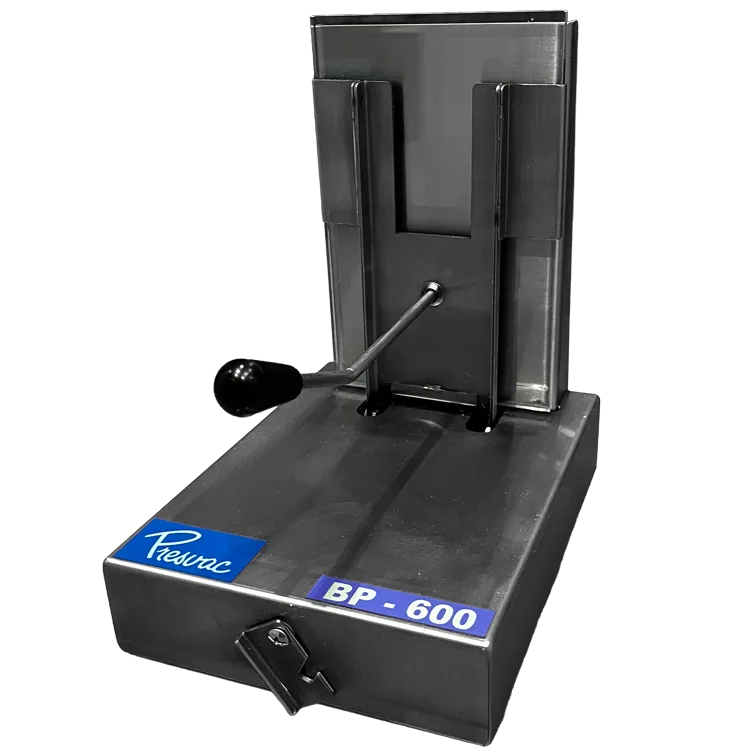
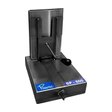
- Remove the supernatant plasma. Most of the plasma above the precipitate is expressed into a satellite bag with a plasma extractor, such as the BP-600, using a suitable closed bag system. The precipitate stays in a small volume of plasma.
- Refreeze quickly. The US Circular of Information asks for the precipitate to go into a freezer at −18 °C or colder within 1 hour of leaving the refrigerated centrifuge.
Each blood bank validates its own procedure: time, force, temperature, and acceleration and braking. Units may be pooled before freezing under validated procedures and the applicable component specifications.
Cryoprecipitate storage temperature and thawing
Table: Storage and thawing of cryoprecipitate
- Step | Council of Europe guide | US rules and Circular of Information
- Frozen storage | 36 months at −25 °C or colder; 3 months between −18 °C and −25 °C | Up to 1 year at −18 °C or colder, counted from collection of the source blood (or of the oldest donation in a pre-storage pool)
- Thawing | Immediately after removal from storage, with a validated procedure, without exceeding +37 °C | In a 30 °C to 37 °C water bath or cleared device, up to 15 minutes; pre-storage pools may need longer
- After thawing | Use as soon as possible; do not refreeze | Keep at room temperature (20 °C to 24 °C). Single units and sterile pools: within 6 hours of thawing. If the container is entered without a sterile connection: within 4 hours of entry. Do not refreeze
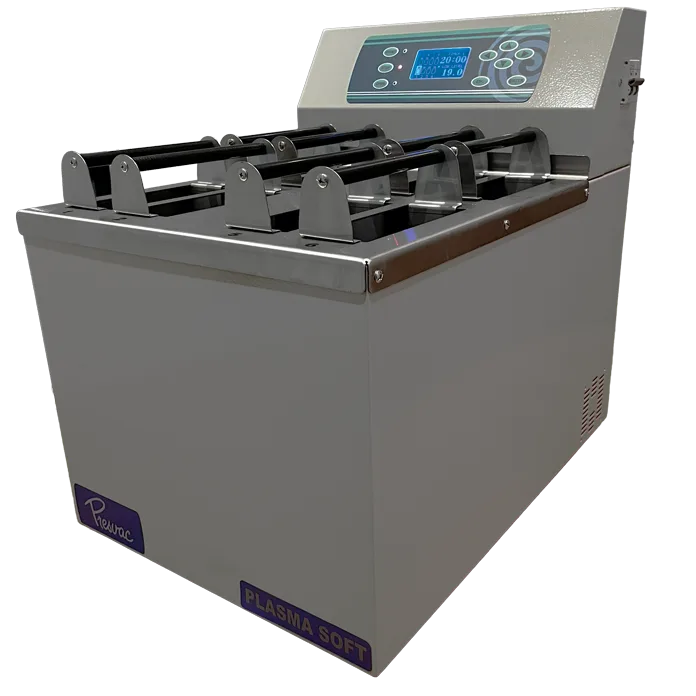
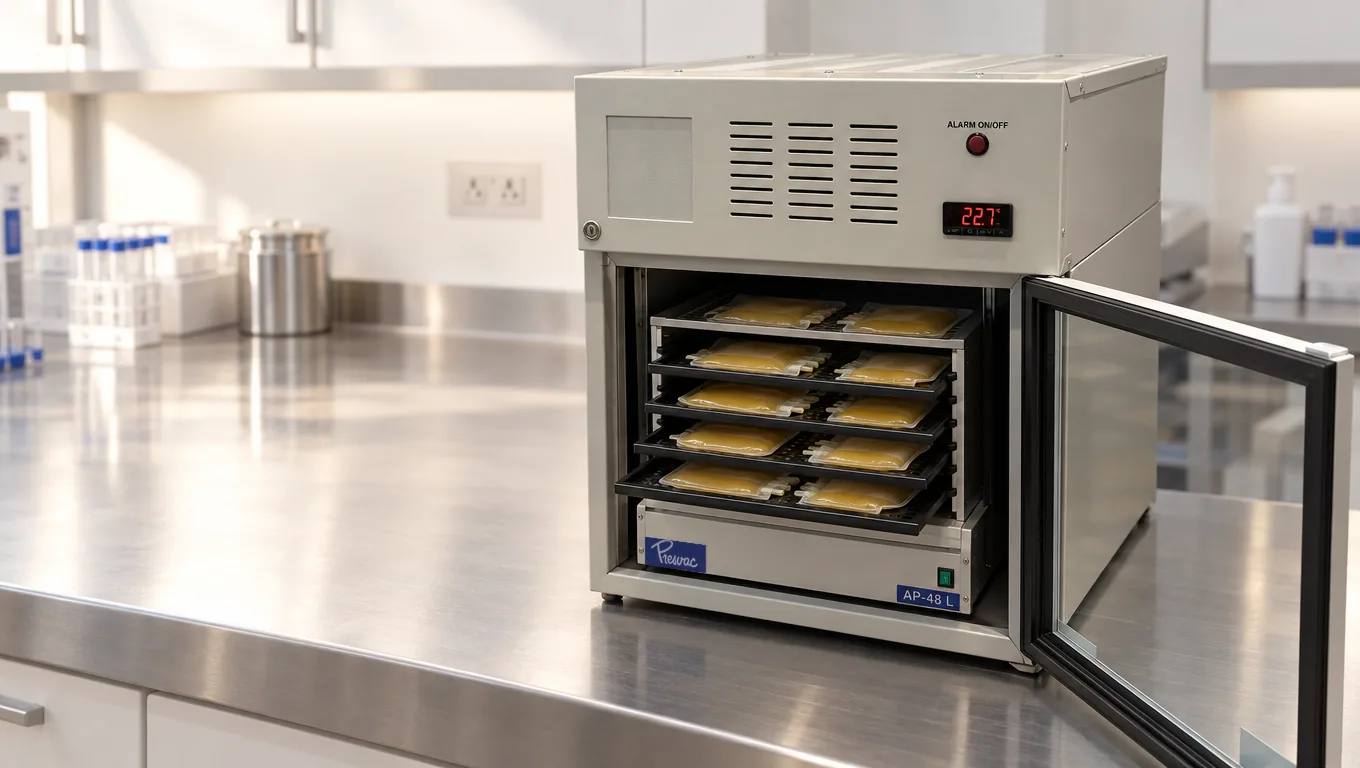
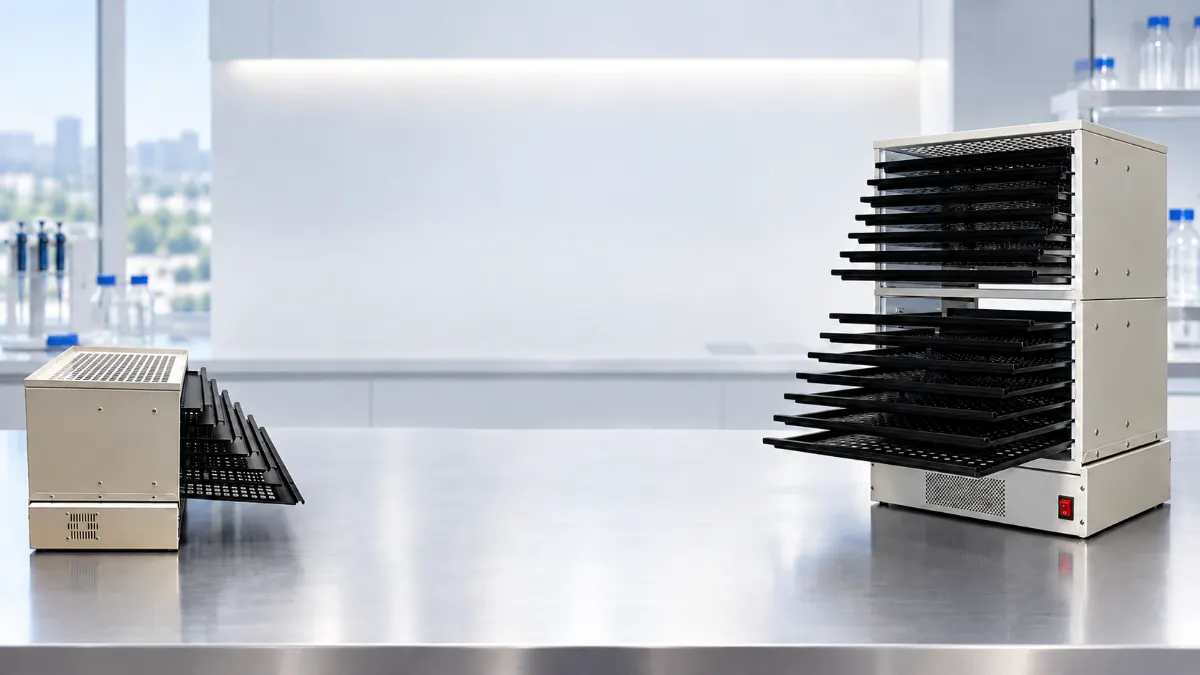
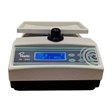
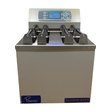
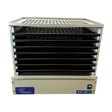
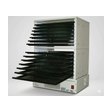
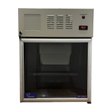
Store frozen cryoprecipitate in a plasma freezer that holds the temperature your standard requires. The FEDE-35 biomedical freezer reaches −35 °C, colder than both the −25 °C and the −18 °C limits, with digital control, configurable alarms and a recorder port. For thawing, the Plasma Soft thaws plasma and cryoprecipitate in 8 individual chambers, each with its own timer; each service sets and validates its thawing cycles.
Equipment for each step
Table: Equipment by step
- Step | Equipment | Presvac models
- Rapid freezing of plasma | Equipment suited to a validated rapid-freezing process | FH-80 (−80 °C)
- Centrifugation at low temperature | Refrigerated blood bag centrifuge | MSP-4650 R PLUS, DP-2065 R PLUS, DP-2065 R 12B
- Removing the supernatant plasma | Plasma extractor | BP-600
- Frozen storage | Plasma freezer | FEDE-35 (−35 °C), FH-80 (−80 °C)
- Thawing before transfusion | Plasma thawer | Plasma Soft
Frequently asked questions
FAQ
What is the difference between cryoprecipitate and fresh frozen plasma?
Fresh frozen plasma contains all the plasma clotting factors in a full unit volume. Cryoprecipitate is the cold-insoluble fraction of that plasma: it concentrates fibrinogen, factor VIII, von Willebrand factor, factor XIII and fibronectin in a much smaller volume.
What is cryoprecipitate made from?
From fresh frozen plasma, separated from whole blood or collected by apheresis.
Why is it centrifuged cold?
Low-temperature centrifugation keeps the cold-insoluble fraction from dissolving again while it settles.
Can thawed cryoprecipitate be refrozen?
No. Both the Council of Europe guide and the US Circular of Information say it must not be refrozen.
Do you provide installation and training?
Yes. Presvac installs the equipment, trains the users and helps plan preventive and corrective maintenance.
For the basics of component separation, read Blood centrifuge: how blood components are separated. See all Presvac centrifuges or request a quote.
References
- Council of Europe, EDQM. Guide to the preparation, use and quality assurance of blood components, 22nd edition, 2025: sections 4.1.7, 4.1.8 and 4.2.5, monographs D-1 and D-3.
- AABB, America's Blood Centers, American Red Cross and Armed Services Blood Program. Circular of Information for the Use of Human Blood and Blood Components, June 2024.
- US Code of Federal Regulations. 21 CFR 640.54 and 21 CFR 610.53.