



At a glance
- After centrifugation, anticoagulated whole blood separates into layers: red cells at the bottom, plasma on top and, between them, the buffy coat: a thin, pale layer enriched in white cells and platelets, with some residual red cells and plasma.
- Blood banks use it to prepare platelets. In the buffy coat method, buffy coats from typically 4 to 6 compatible donations are pooled, centrifuged gently and the platelet-rich supernatant goes to a platelet storage bag.
- Removing the buffy coat lowers the white cells and platelets left in the red cell concentrate, but on its own it does not make a leukocyte-depleted component.
- In laboratories, the buffy coat from blood tubes is a source of white cells for DNA extraction or for isolating mononuclear cells.
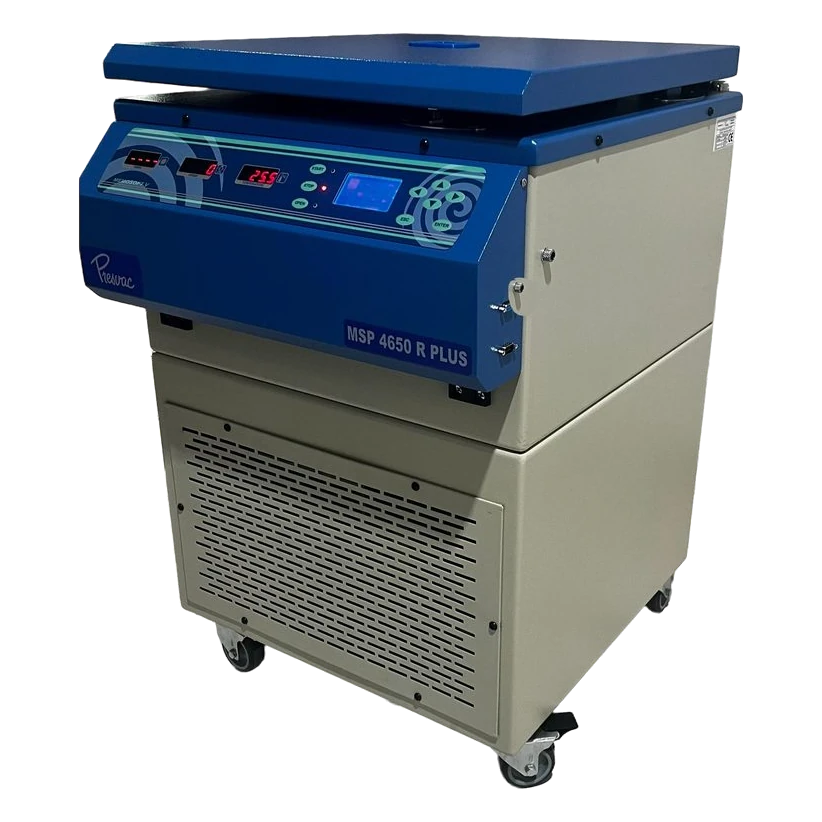
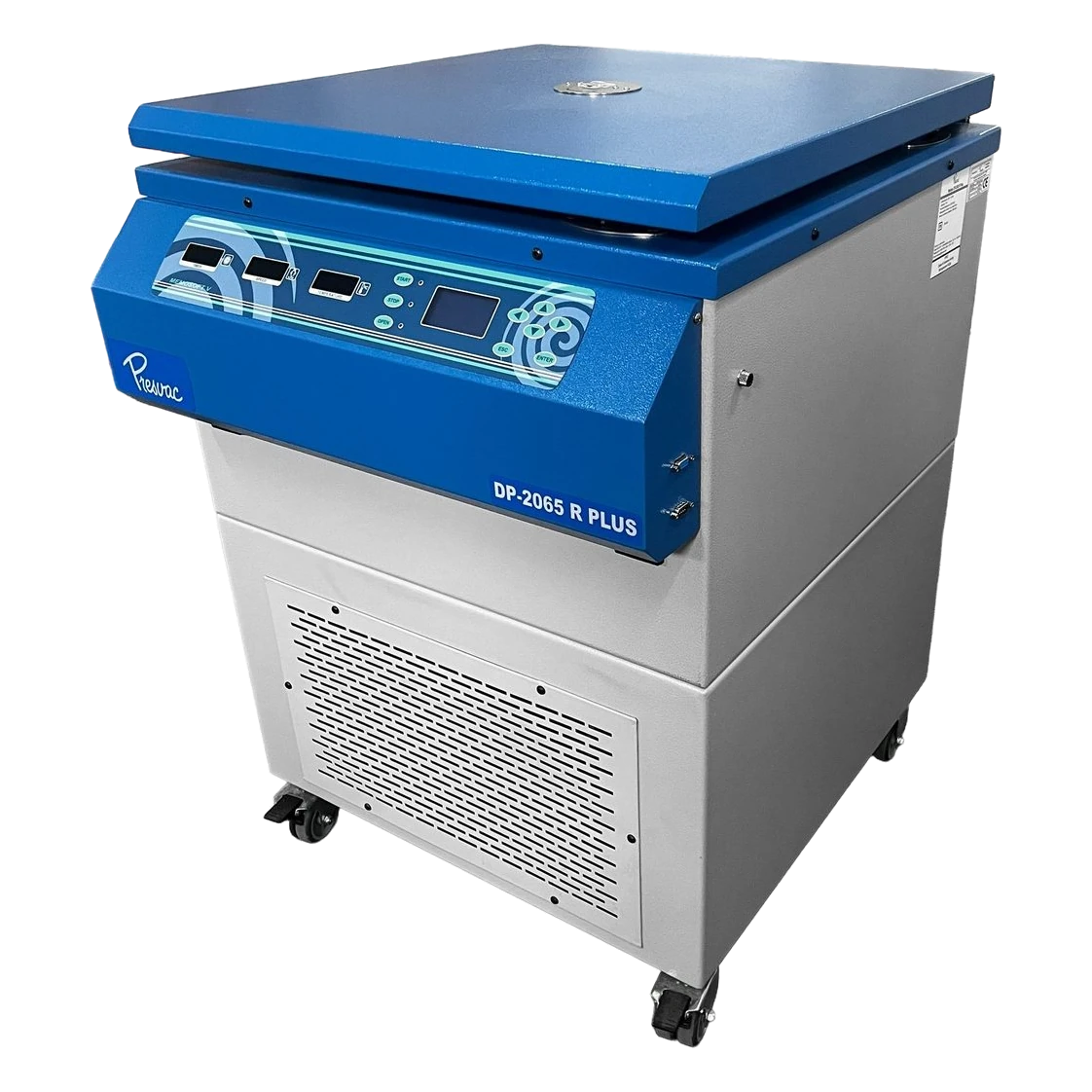
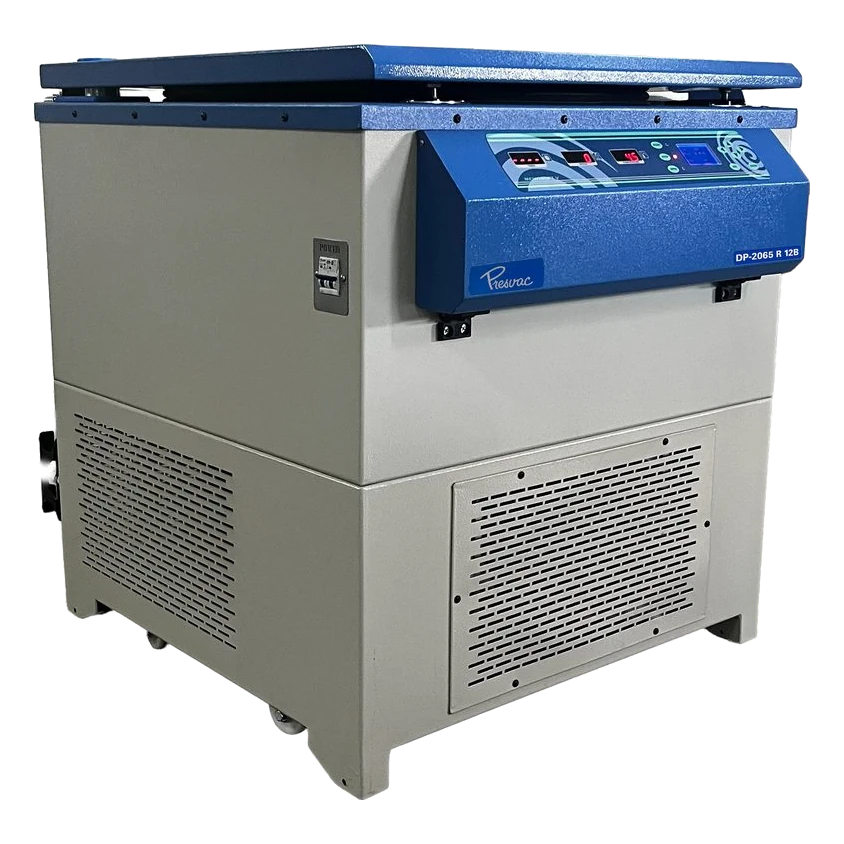
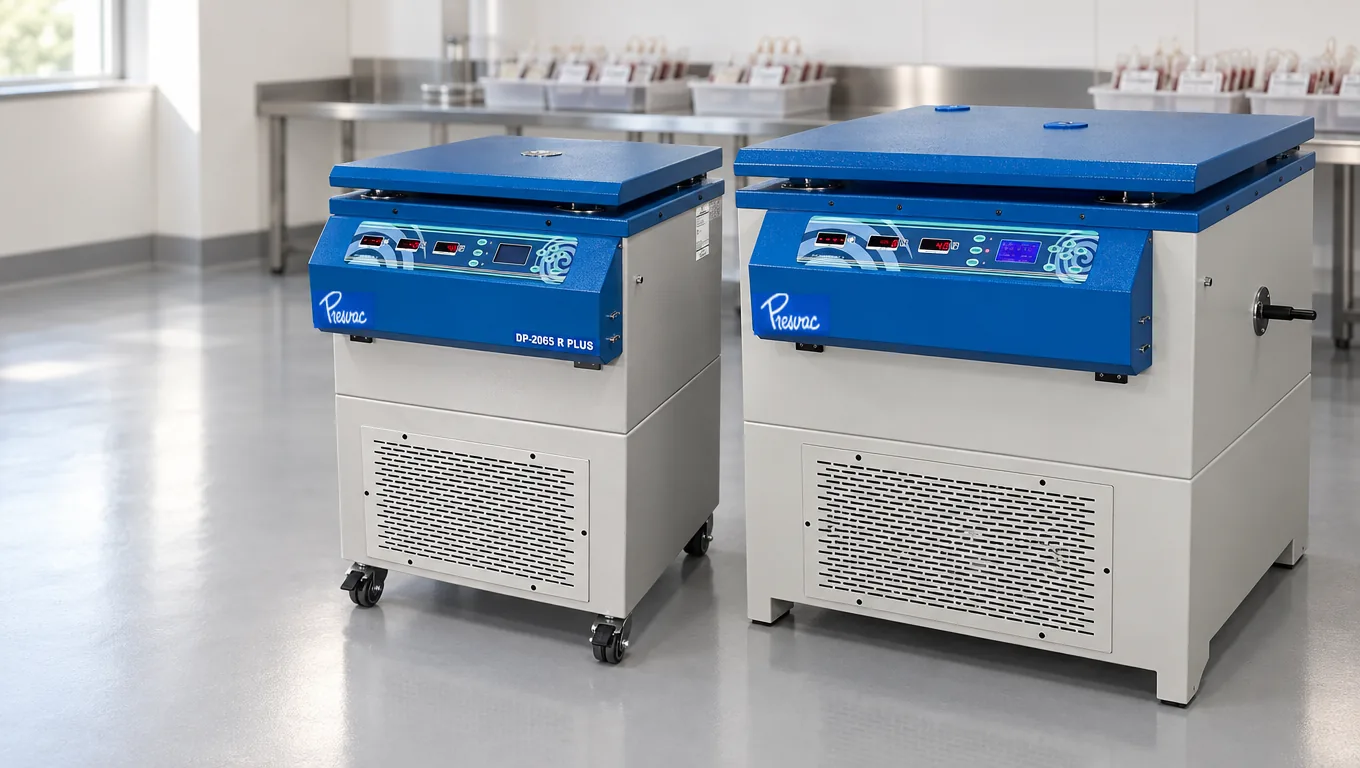
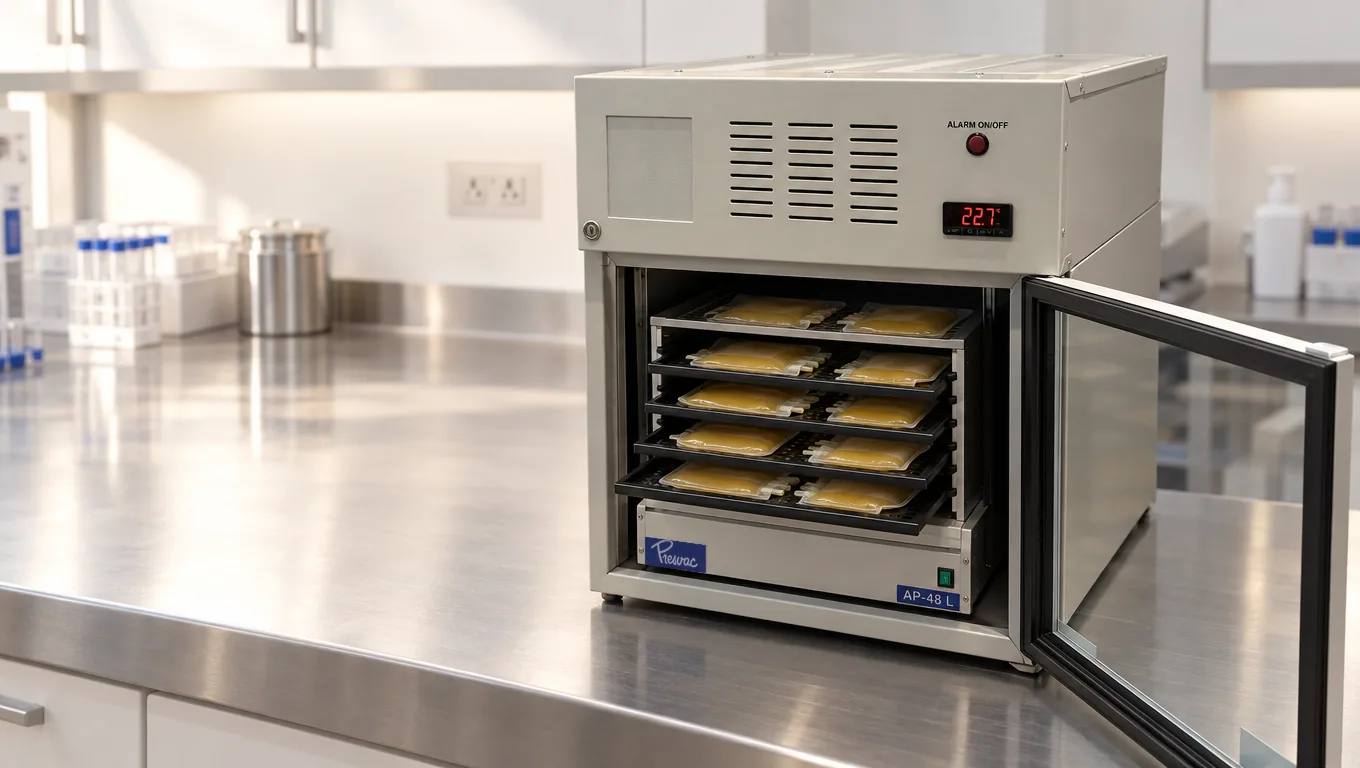
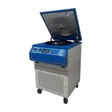
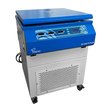
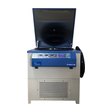
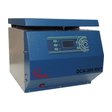
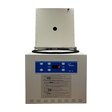
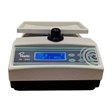
- The equipment: a refrigerated blood bag centrifuge (Presvac offers buffy coat adapters as an option), a plasma extractor and a platelet agitator and incubator; in the laboratory, a tube centrifuge.
The buffy coat is the layer of white cells (leukocytes) and platelets that forms between the red cells and the plasma when anticoagulated blood is centrifuged. Its name comes from its pale, buff color. It is a small part of the volume, but it concentrates most of the white cells and, depending on the spin, most of the platelets. This guide explains how it forms, how blood banks use it to prepare platelets and how laboratories use it.
How the buffy coat forms
Centrifugation separates blood components by density and size. The Council of Europe guide gives these mean densities:
Table: Mean density of blood components
- Component | Mean density (g/mL)
- Plasma | 1.026
- Platelets | 1.058
- Monocytes | 1.062
- Lymphocytes | 1.070
- Neutrophils | 1.082
- Red cells | 1.100
The settings decide where the platelets end up. A soft spin settles the red cells while most platelets stay in the plasma, as platelet-rich plasma (PRP). A hard spin settles the platelets together with the white cells into the buffy coat, and the plasma above becomes platelet-poor. Relative centrifugal force (RCF, in × g), time, temperature, and acceleration and braking all shape the result, and each blood bank sets them in its validated procedures.
Buffy coat method vs platelet-rich plasma method
Two common ways to prepare platelets from whole blood are the buffy coat method and the platelet-rich plasma (PRP) method. The Council of Europe guide describes both starting from whole blood held under validated conditions for up to 24 hours at +20 °C to +24 °C. US rules ask for platelets to be separated within 4 hours of collection, or within the time set in the instructions of the collection and processing system used.
Table: Two ways to prepare platelets from whole blood
- Step | Buffy coat method | Platelet-rich plasma (PRP) method
- First spin | Hard spin: the platelets go to the buffy coat | Soft spin: most platelets stay in the plasma
- What is separated | Plasma and red cells go to their own bags; the buffy coat is kept | The platelet-rich plasma goes to a satellite bag
- Second step | Buffy coats are pooled, typically 4 to 6, with plasma or additive solution, and spun gently | The platelet-rich plasma is spun hard, most of the plasma is removed, and the platelets are resuspended in the remaining 50 to 70 mL
- Result | Typically a pooled platelet concentrate; single units can also be prepared | A single-unit platelet concentrate, which can later be pooled
Preparing platelets from buffy coats, step by step
- Hold the whole blood at +20 °C to +24 °C, within the time your standard allows.
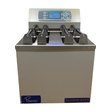
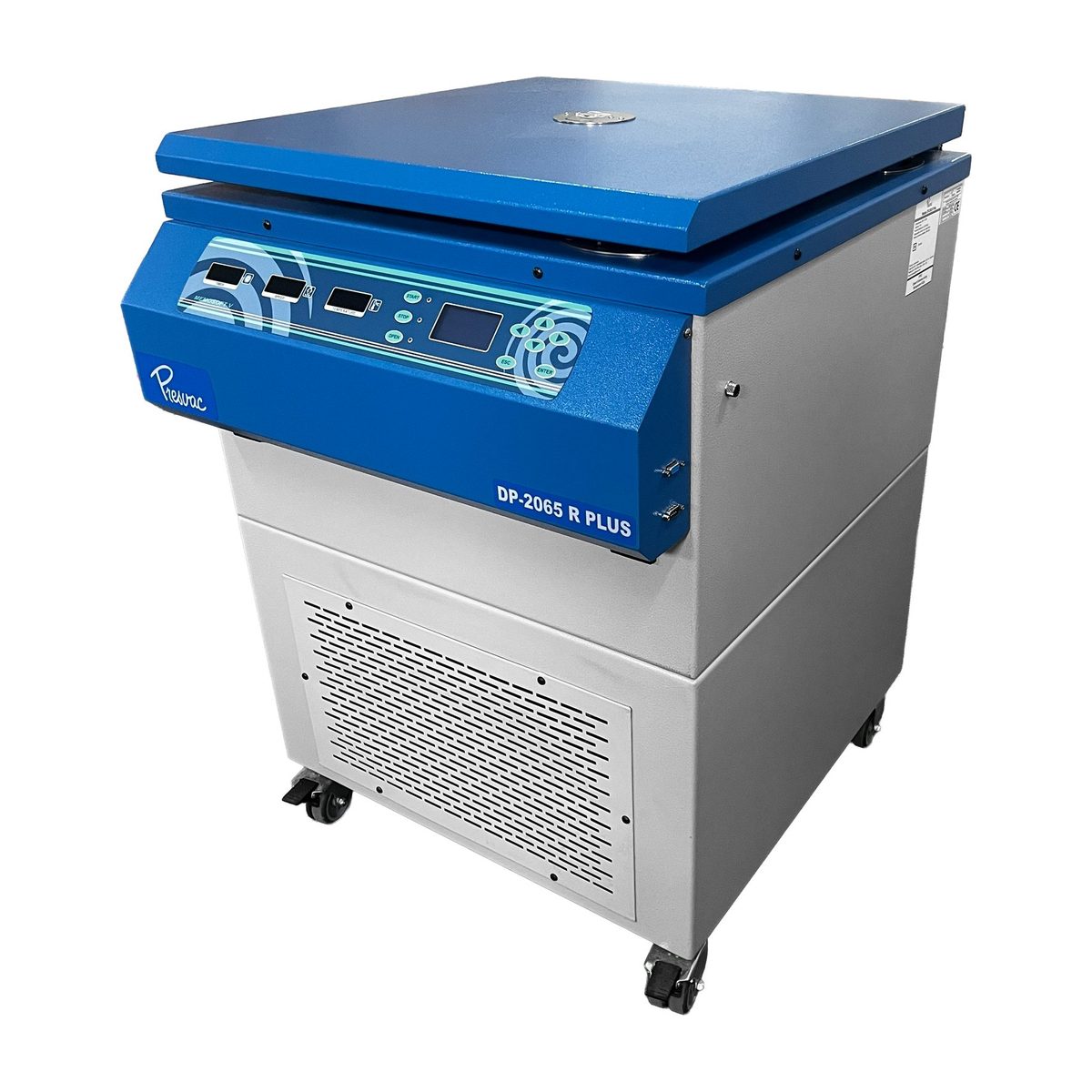
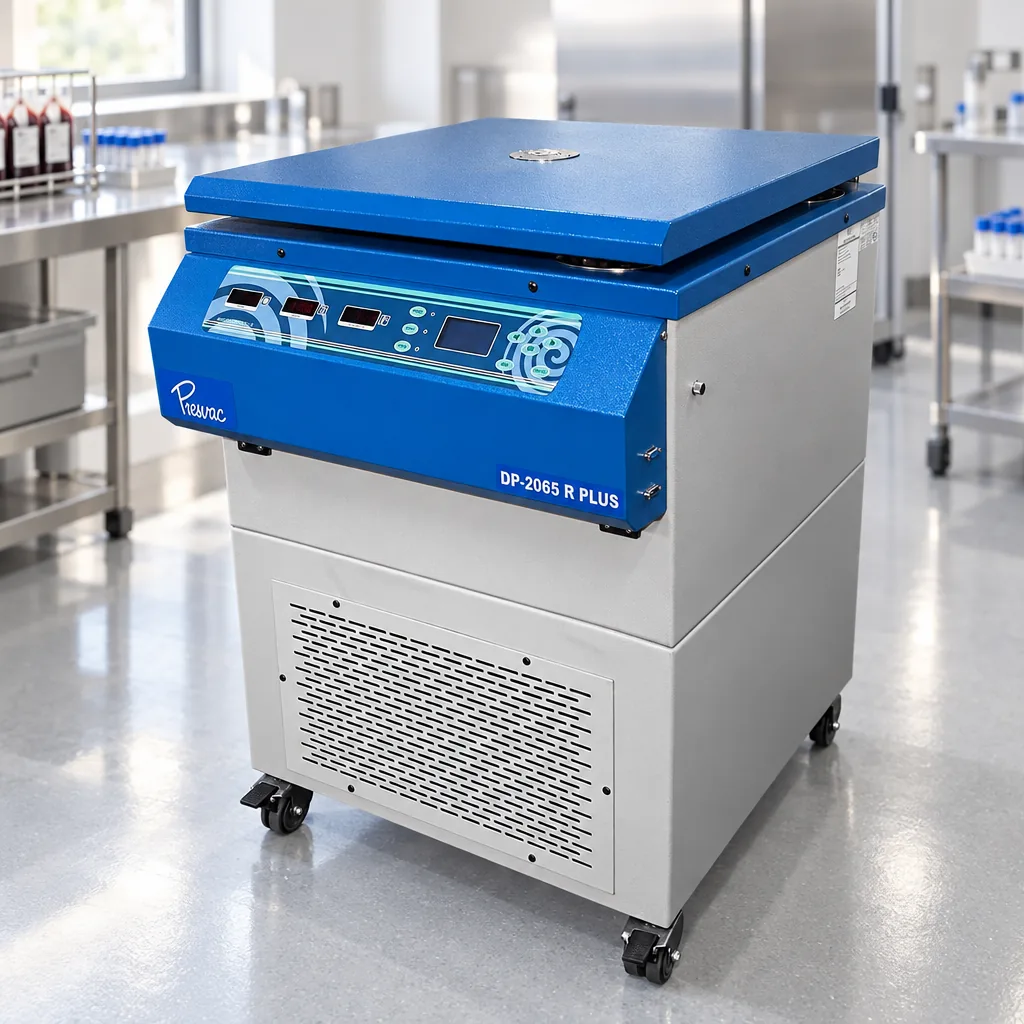
- Hard spin with a validated process at the required temperature. The Council of Europe guide places the optimal temperature for centrifugation between +20 °C and +24 °C. Presvac blood bag centrifuges are programmable from 4 °C to 40 °C, and the MSP-4650 R PLUS, DP-2065 R PLUS and DP-2065 R 12B take optional buffy coat adapters. Verify the setpoint and the actual product temperature during process validation.
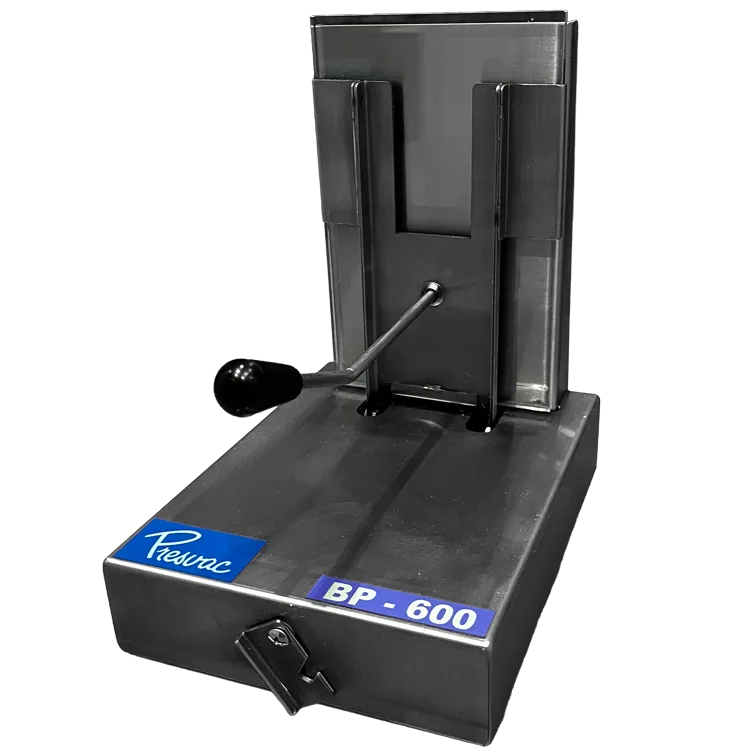
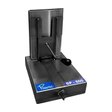
- Separate the layers. Plasma and red cells are expressed into their bags with a plasma extractor such as the BP-600, using a suitable closed bag system. The buffy coat is kept for further processing; its volume depends on the bag system and the validated procedure.
- Hold the buffy coats, if needed. The Council of Europe guide asks for buffy coats to be stored at +20 °C to +24 °C, without agitation, for no longer than 24 hours after whole blood separation.
- Pool the buffy coats. Typically 4 to 6 blood group-compatible buffy coats, depending on the processing system and national requirements, are joined by sterile connection and resuspended in plasma or a platelet additive solution.
- Soft spin the pool so most platelets stay in the supernatant while the remaining red cells and white cells settle.
- Transfer the supernatant immediately into a suitable platelet storage bag through a closed system; the bag has to allow the gas exchange platelets need during storage. For leukocyte-depleted platelets, the bag system includes a leukocyte reduction filter; the Council of Europe guide describes removing white cells before storage as the international standard.
- Store the platelets at +20 °C to +24 °C with continuous gentle agitation. Shelf life depends on the validated processing and storage system, bacterial risk controls and your requirements: typically 5 days, up to 7 days under the Council of Europe guide with appropriate bacterial detection or reduction. Pools prepared in an open system should not be stored for more than 6 hours.
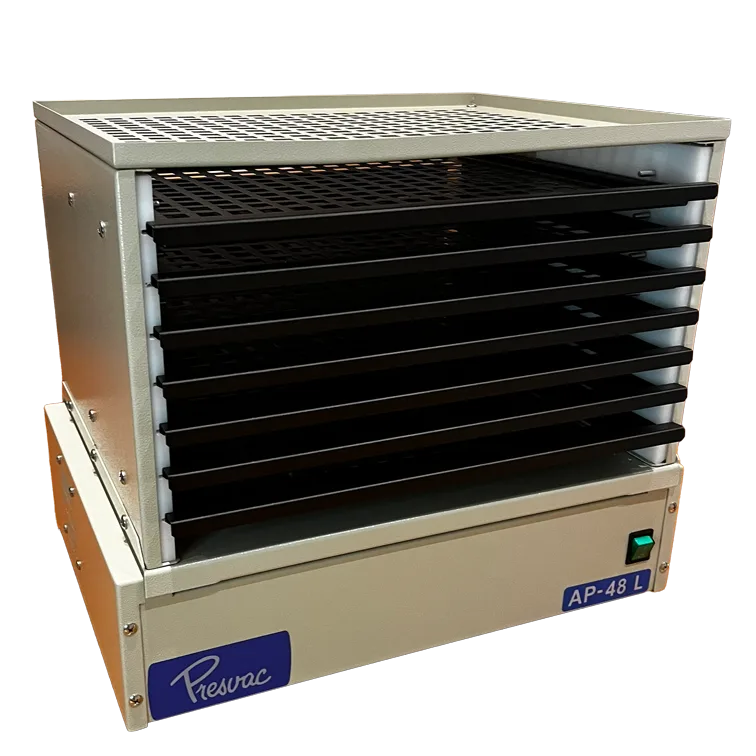
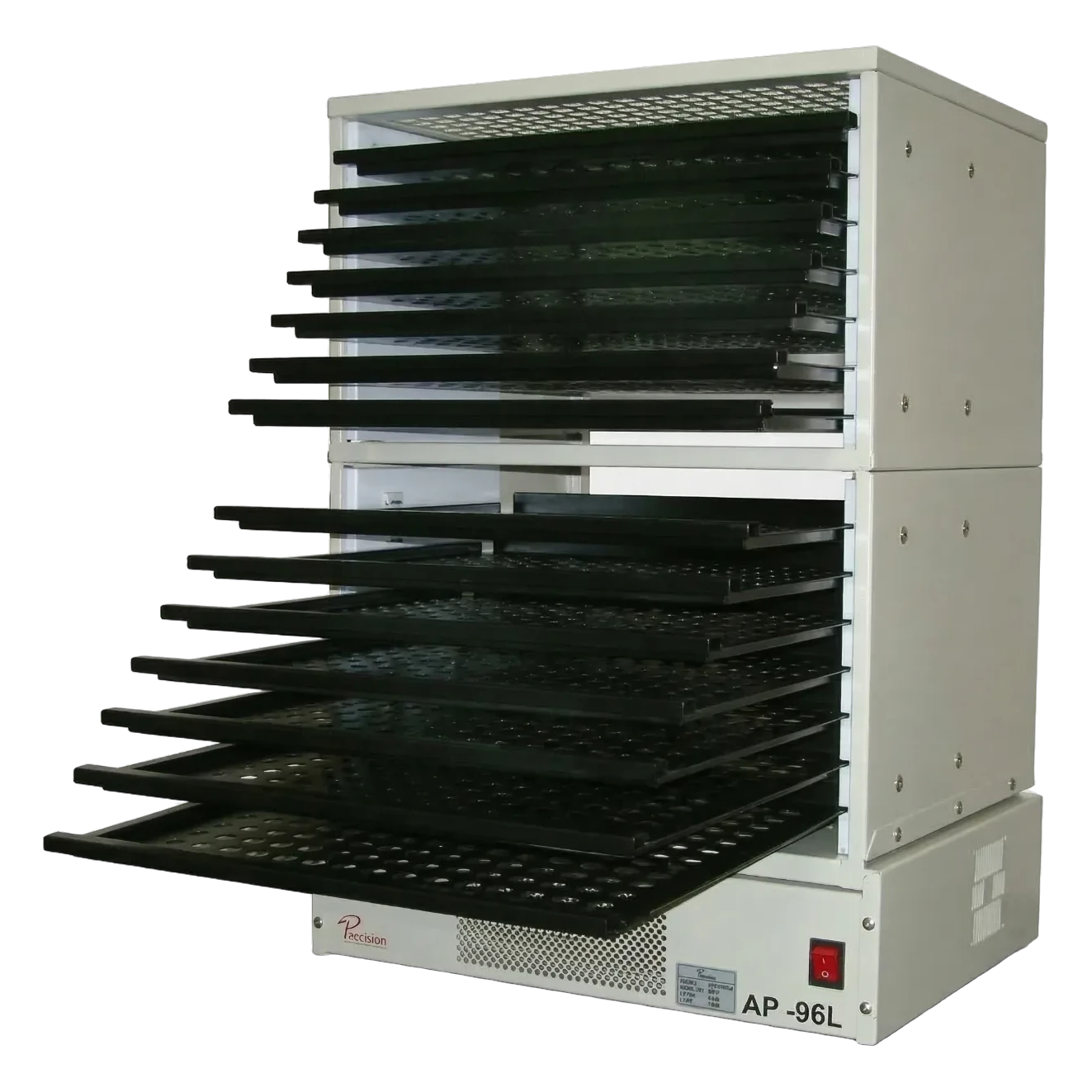
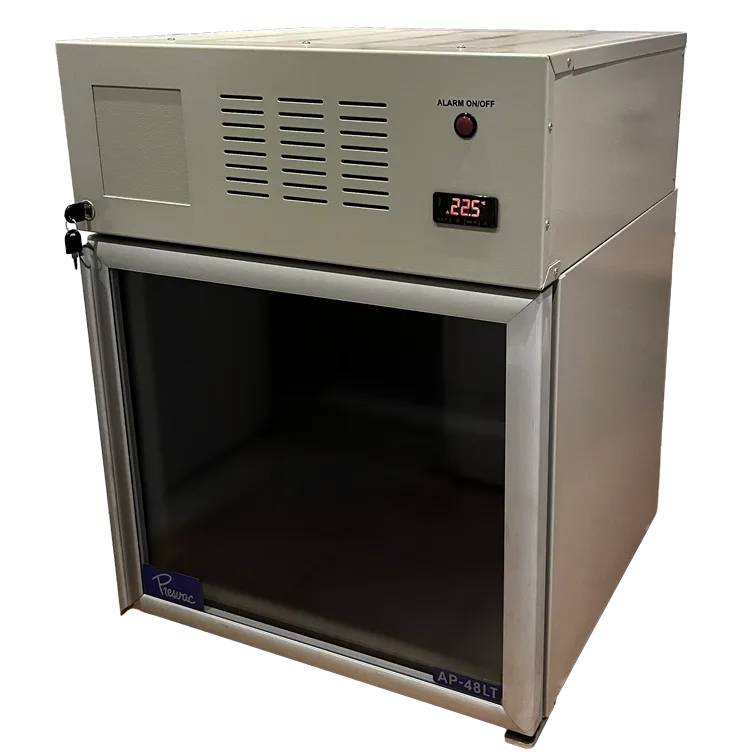
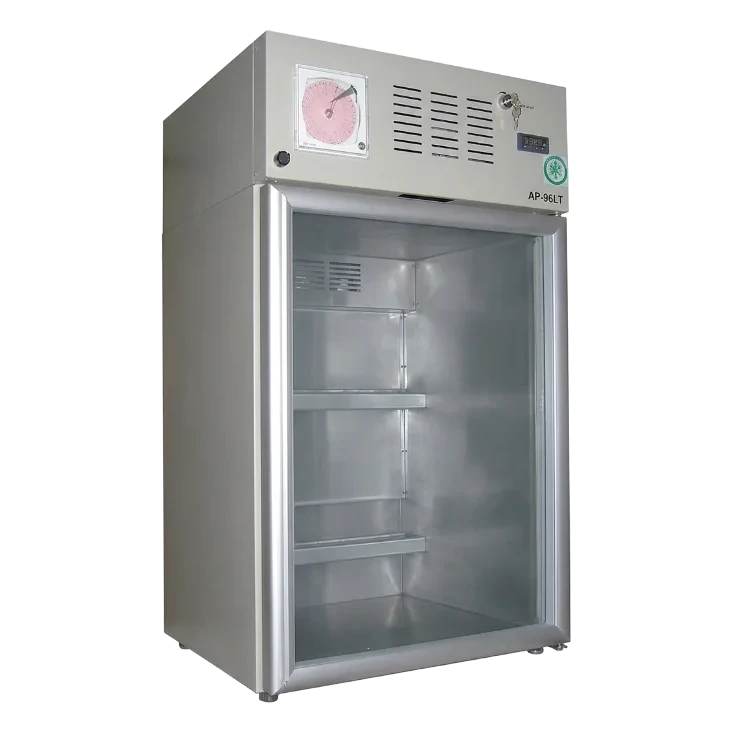
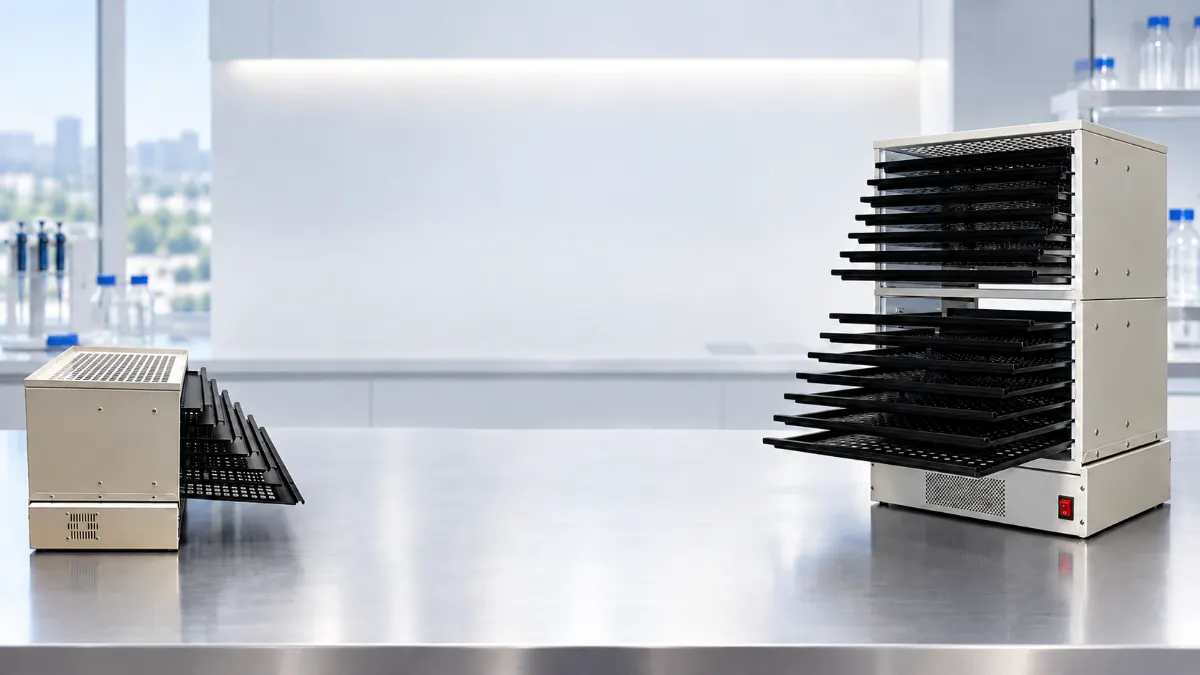
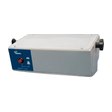
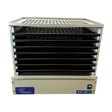
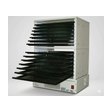
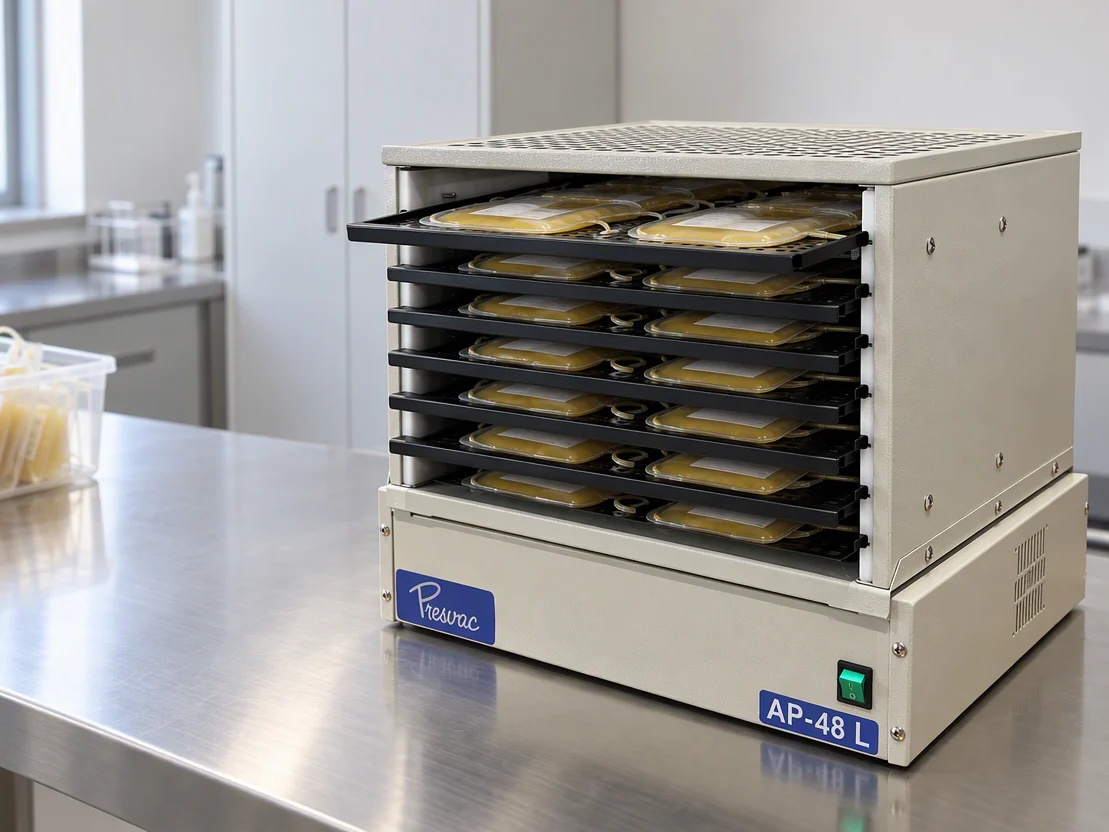
For storage, the AP agitators and incubators work as one system: the AP-48 L and AP-96 L move up to 48 or 96 bags with continuous linear agitation, and the AP-48 LT and AP-96 LT incubators have forced-air circulation and a programmable temperature range of 18 °C to 22 °C. That is the equipment's setting range, not the platelet storage range: choose a setpoint within the storage requirements that apply to you and verify the actual storage temperature under validated conditions.
Buffy coat in the laboratory
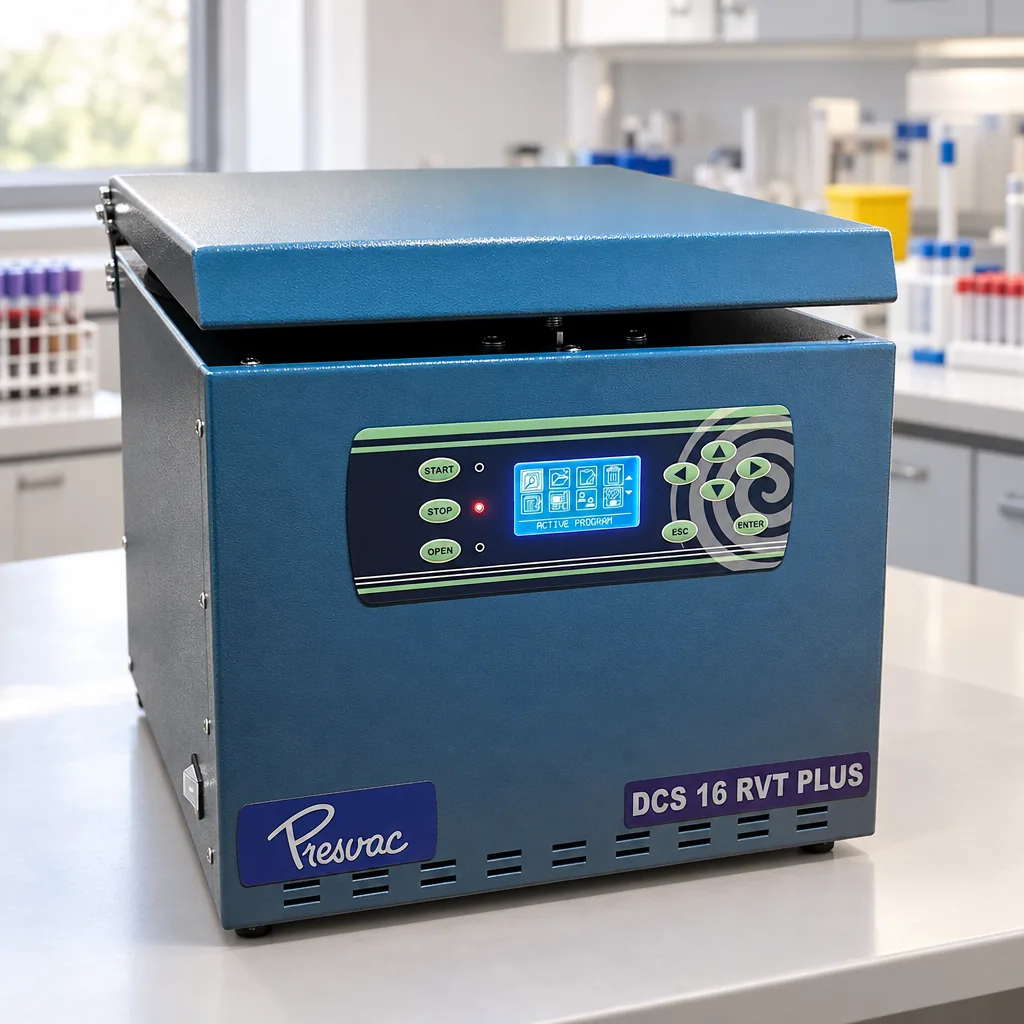
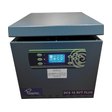
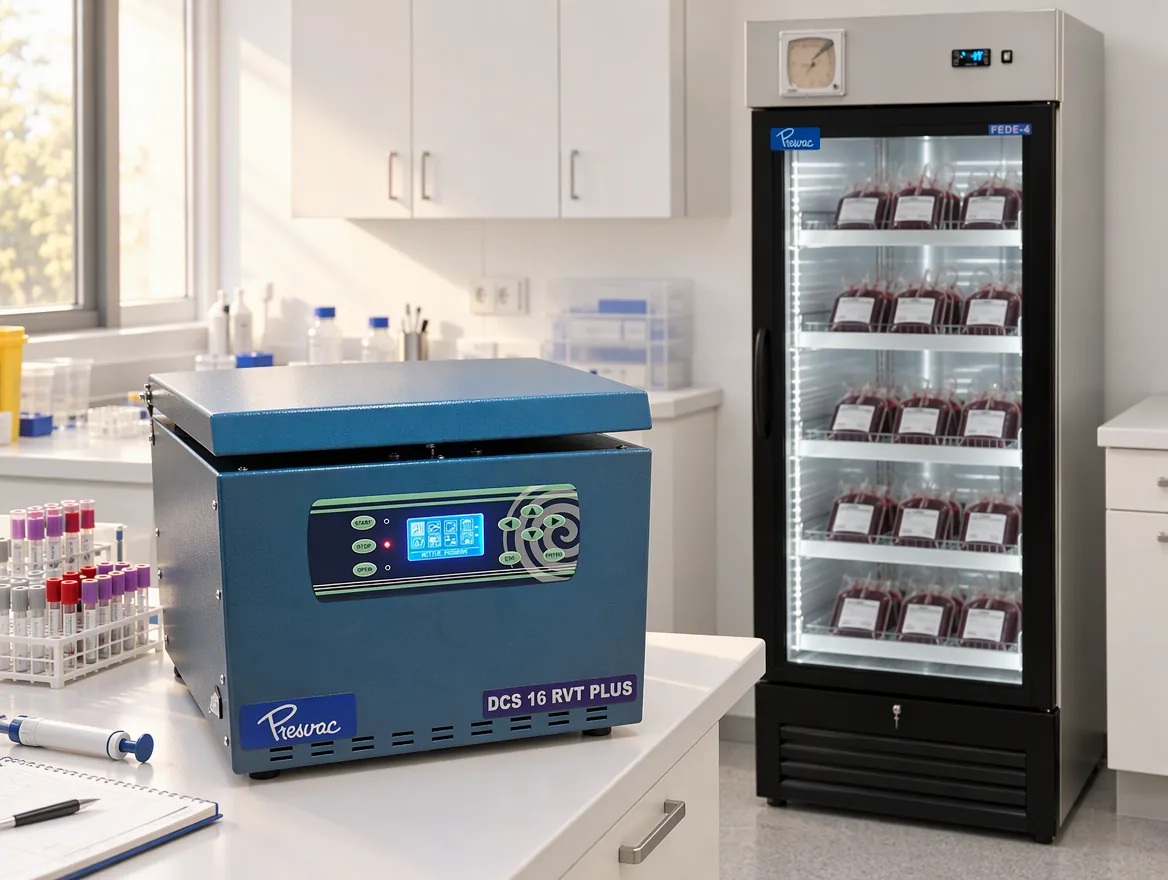
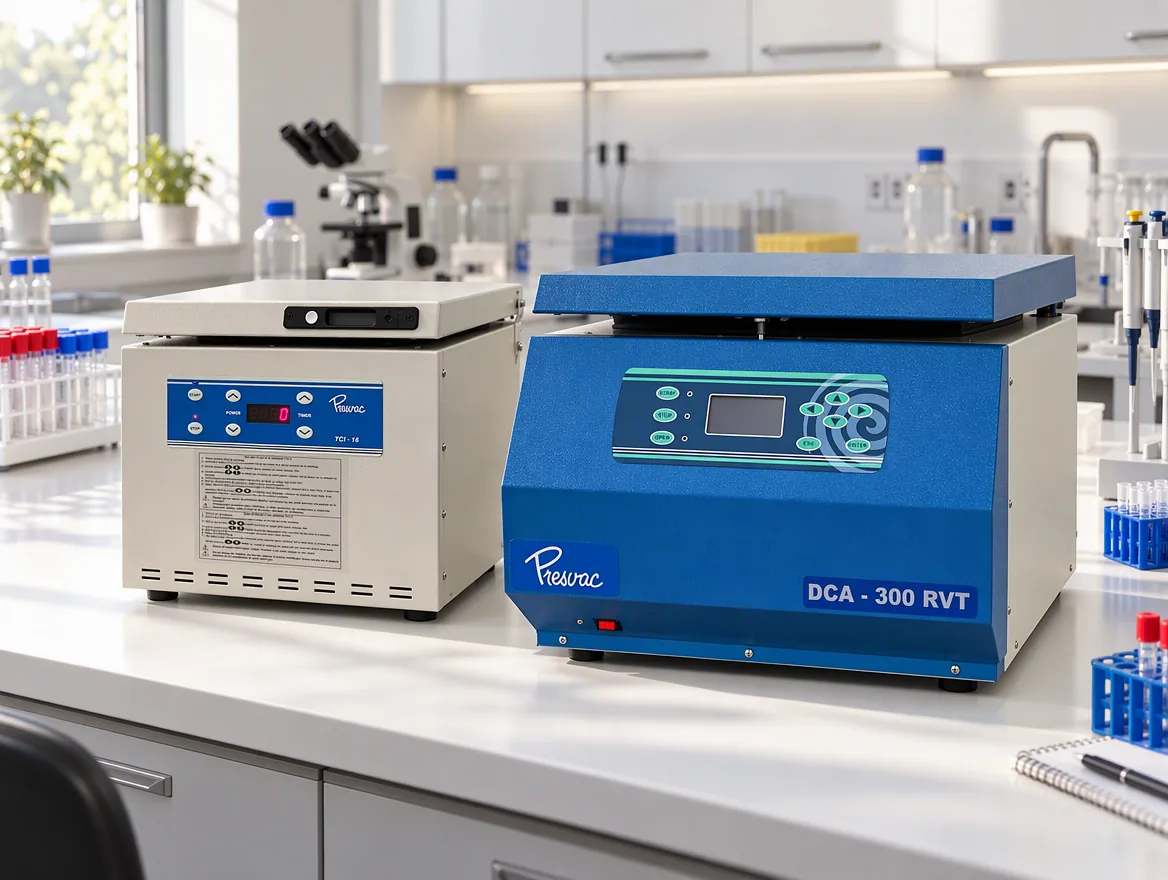
Outside the blood bank, the buffy coat is also collected from tubes of anticoagulated blood. Because it concentrates the white cells, it is a common starting material for DNA extraction and for isolating peripheral blood mononuclear cells (PBMCs) by density gradient. Swing-out rotors help form level, distinct layers that are easier to collect with a pipette; the choice of rotor and the acceleration and braking settings follow each laboratory's validated protocol. Presvac laboratory centrifuges, the DCS-16RVT PLUS, DCA-300 RVT and TCI-16, take swing-out rotors.
Frequently asked questions
FAQ
Why is it called buffy coat?
Because of its color: a pale, yellowish white layer, the color of buff leather, between the red cells and the plasma.
Is the buffy coat the same as PBMCs?
No. The buffy coat is enriched in white cells of all types, granulocytes, lymphocytes and monocytes, together with platelets and residual red cells. PBMCs are only the mononuclear cells, lymphocytes and monocytes, which can be isolated from the buffy coat or from whole blood by density gradient centrifugation.
Why do platelet concentrates need continuous agitation?
Gentle agitation supports gas exchange through the storage bag, so platelets have the oxygen they need during room-temperature storage. The Council of Europe guide asks for agitation sufficient for oxygen availability, but as gentle as possible.
Do Presvac centrifuges process buffy coats?
Yes. The MSP-4650 R PLUS, DP-2065 R PLUS and DP-2065 R 12B take optional buffy coat adapters.
Do you provide installation and training?
Yes. Presvac installs the equipment, trains the users and helps plan preventive and corrective maintenance.
For the basics of component separation, read Blood centrifuge: how blood components are separated. To size platelet storage, read How to choose a platelet agitator and incubator. See all Presvac centrifuges or request a quote.
References
- Council of Europe, EDQM. Guide to the preparation, use and quality assurance of blood components, 22nd edition, 2025: sections 4.1.5, 4.1.6 and 4.2.4, monographs C-1 and C-2.
- US Code of Federal Regulations. 21 CFR 640.24 and 21 CFR 610.53.