


At a glance
- A blood bank refrigerator stores whole blood for transfusion and red cells at +2 °C to +6 °C (+1 °C to +6 °C under US rules). Many medicines, vaccines and reagents kept in a pharmacy or laboratory refrigerator require +2 °C to +8 °C, depending on each product's storage conditions.
- Both need even, fan-forced cooling and temperature monitoring that reflects the stored product rather than the air. Household refrigerators are unsuitable for blood, and for vaccines the CDC accepts household-grade, refrigerator-only units only as a last resort.
- Blood storage works to a narrower range and asks for continuous temperature records, alarm signals that are tested regularly and an interior built around blood bags.
- We recommend a separate cabinet for each use.
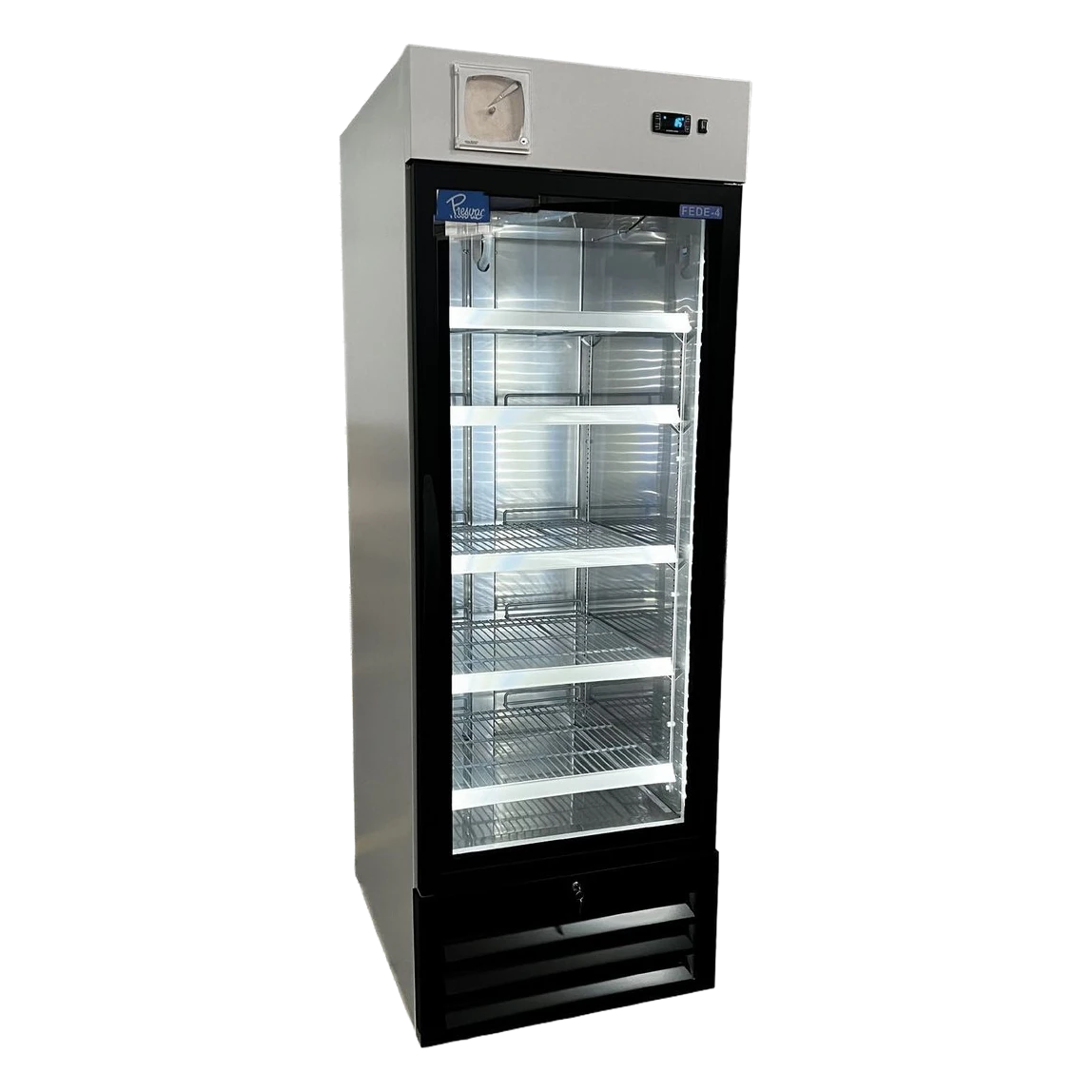
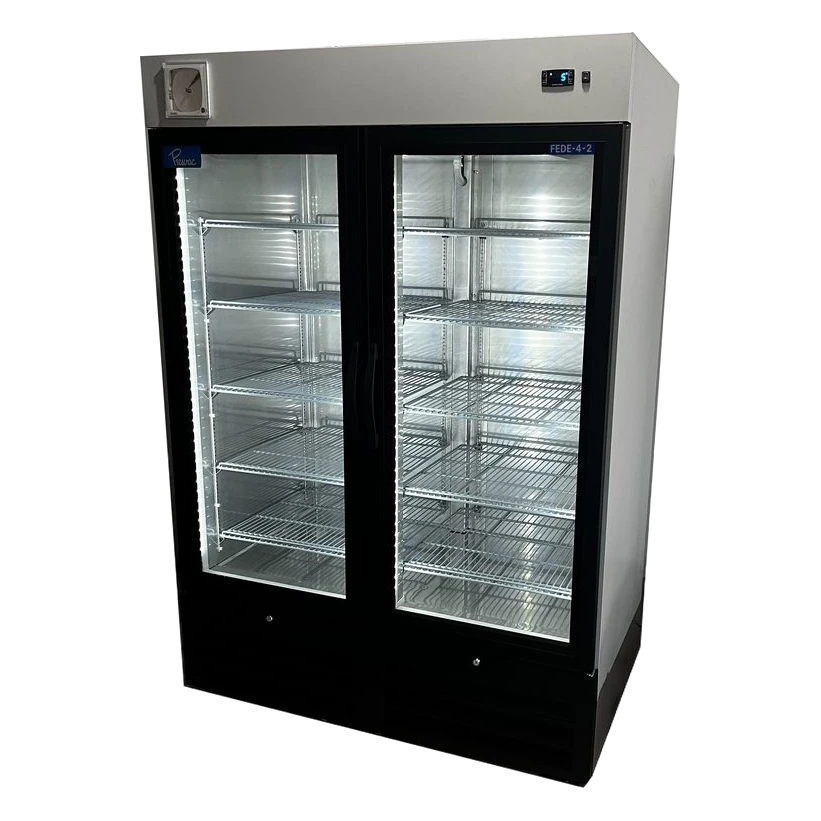
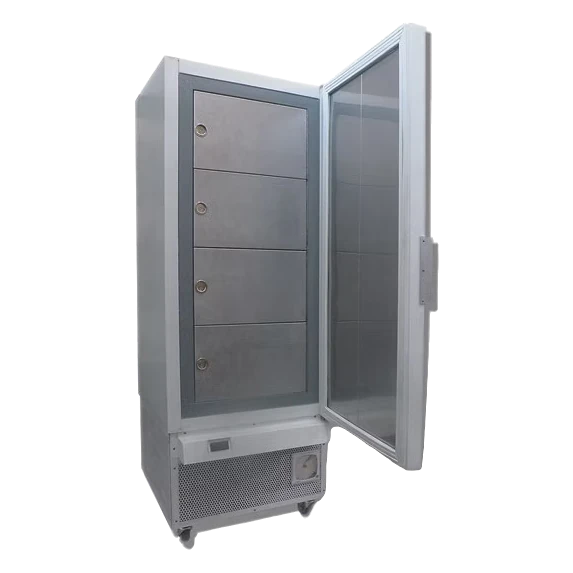
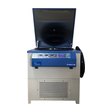
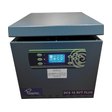
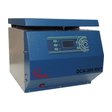
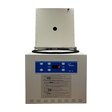
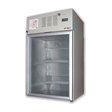
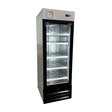
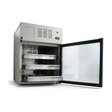
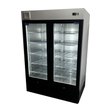
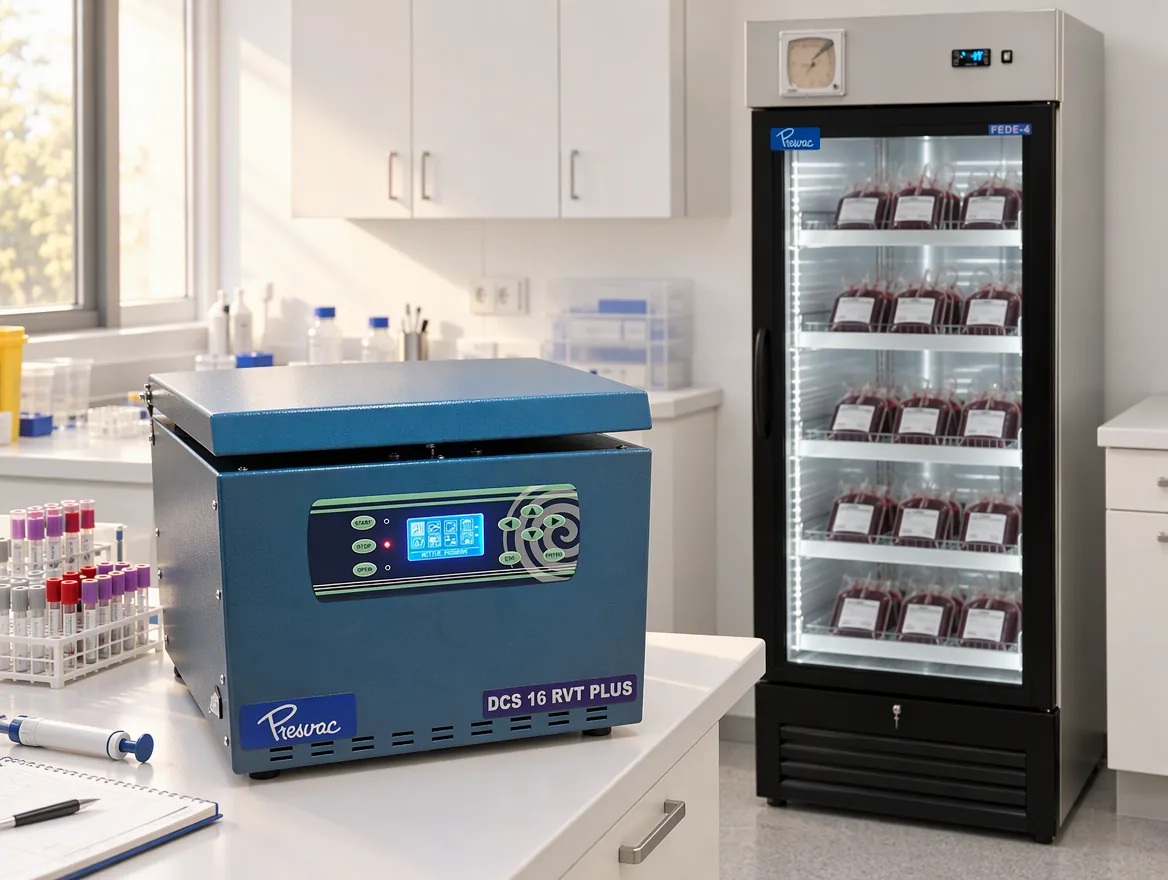
- The Presvac FEDE-4 comes in two versions: blood bank, for blood bags, and laboratory and pharmacy, for medicines, reagents and biological materials. Both have a programmable setpoint of 4 °C.
Hospitals usually need two kinds of refrigerated storage: one for blood components in the blood bank or transfusion service, and one for medicines, vaccines and reagents in the pharmacy or the laboratory. From the outside the cabinets look alike, and their temperature ranges overlap, but their storage requirements differ. This guide compares them point by point.
Temperature requirements
Whole blood for transfusion and red cells are stored at +2 °C to +6 °C, the range in the Council of Europe blood guide and the World Health Organization (WHO) cold chain guide. US regulations specify +1 °C to +6 °C. Many refrigerated medicines and vaccines require +2 °C to +8 °C, the range the US Centers for Disease Control and Prevention (CDC) gives for refrigerated vaccines; each product's labeling sets its own conditions.
With a +4 °C setpoint, a relatively small deviation can take red cells outside their permitted range, in either direction. Temperature monitoring, uniformity and reliable alarms are essential in both applications, and blood leaves the least margin.
Table: Blood bank vs pharmacy refrigerator
- Point | Blood bank refrigerator | Pharmacy or laboratory refrigerator
- What it stores | Whole blood for transfusion, red cells and, where permitted, thawed plasma for a limited time | Medicines, vaccines, reagents, samples
- Temperature range | +2 °C to +6 °C (+1 °C to +6 °C in the US) | Often +2 °C to +8 °C, per product labeling
- Temperature monitoring | Designed to reflect the stored units; a probe in a liquid that simulates a blood bag is common | Buffered probe (for example in glycol or glass beads) that reflects the product, not the air
- Alarms | Appropriate alarm signals, tested regularly | Out-of-range alarm on the monitoring device
- Records | Continuous temperature record | Continuous logging with current, minimum and maximum readings, ideally on a digital data logger
- Layout | Shelves or drawers sized for blood bags | Shelves for boxes and vials, with room for air to circulate
How the temperature is measured
Air temperature changes quickly every time the door opens, while a full blood bag changes slowly. A sensor in open air can react to those short swings and trigger unnecessary alarms, and it says little about the bags themselves. Many blood bank refrigerators therefore use a probe in a liquid that approximates the thermal response of stored blood. The FEDE-4 line uses this kind of liquid-medium sensor.
Vaccine storage follows the same logic: the CDC recommends a buffered probe, for example in glycol or glass beads, placed among the vaccines, so the reading reflects the product rather than the air.
Uniformity and recovery after door openings
Both uses need a uniform temperature, within the permitted range, on every shelf. The WHO lists a fan that distributes the air evenly among the features of a blood bank refrigerator, and the CDC describes pharmaceutical-grade units as having microprocessor control and fan-forced air. Household refrigerators have cold spots near the cooling element and can freeze what sits next to it. The WHO states that their design is not suitable for blood storage, and the CDC advises against dormitory or bar-style combination refrigerator-freezers for vaccines.
In a busy blood bank the door opens all day. Fast recovery to the setpoint and a glass door, which lets staff find a unit before opening, keep those openings short. The FEDE-4 combines directional forced air with a triple Low-E glass door.
Alarms and temperature records
For blood, the Council of Europe guide asks for storage temperature to be continuously monitored and recorded, with appropriate alarm signals, such as acoustic and optical signals or electronic messaging, that are tested regularly. The WHO equipment guide also lists a temperature recorder, battery backup for the alarm and recorder, and a contact for a remote alarm among its recommended specifications.
For vaccines, the CDC recommends a digital data logger that records continuously, shows the current, minimum and maximum temperature, has an out-of-range alarm and carries a valid calibration certificate.
Table: FEDE-4 alarms and records
- Function | Included
- Digital temperature control with continuous monitoring | Standard
- High and low temperature alarms, programmable, audible | Standard
- Recorder port | Standard
- Wi-Fi data logger with cloud monitoring, reports and automatic alerts | Optional
- 7-day chart recorder | Optional
- Remote alarms | Optional
- Door-open and power-failure alarms | Optional (FEDE-4 and FEDE-4-2)
The temperature record itself needs the recorder or the data logger. Choose the monitoring and recording accessories your regulations and quality system require.
Layout and organization
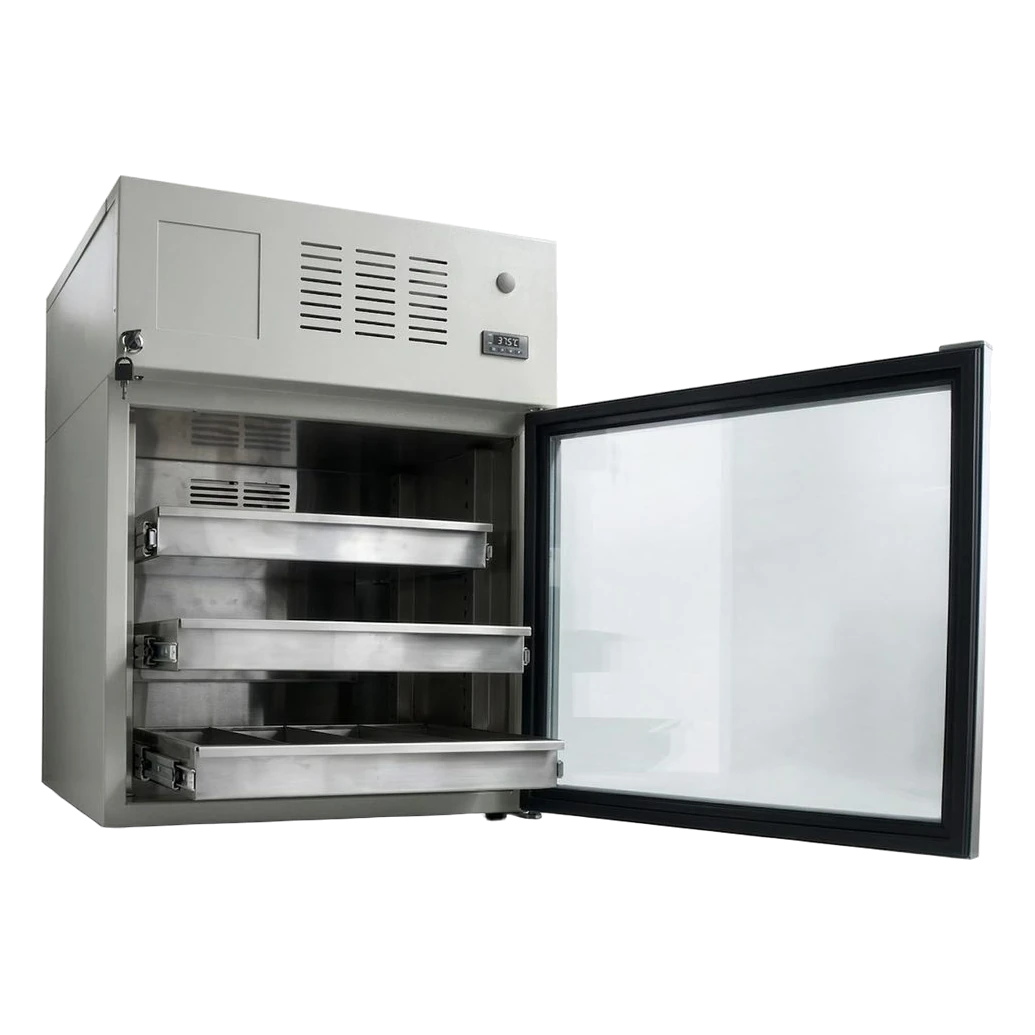
Blood bags are organized by group, component and expiry date, and staff need to see and reach them fast. Drawers or compartmented holders keep each group in place. For vaccines, the CDC recommends keeping them in their original packaging, leaving about 5 to 7.5 cm (2 to 3 inches) between them and the walls, floor, ceiling and door, and not overcrowding the unit so air can circulate.
Can one refrigerator do both jobs?
We recommend against it. The two uses can involve different temperature ranges and alarm limits, operating procedures, access controls and quality records. Sharing a cabinet also means more door openings and more people with access. Keep blood components in a blood bank refrigerator and medicines, vaccines and reagents in their own cabinet.
The two versions of the FEDE-4
Table: FEDE-4 blood bank and laboratory and pharmacy versions
- Point | Blood bank version | Laboratory and pharmacy version
- Stores | Blood bags | Medicines, reagents and biological materials
- Setpoint | 4 °C, programmable | 4 °C, programmable
- Interior | Height-adjustable epoxy shelves or stainless-steel compartmented bag holders on telescopic slides | Height-adjustable epoxy shelves
- Cabinets | FEDE-4 100 (100 bags), FEDE-4 (240 or 360 bags), FEDE-4-2 (480 or 720 bags) | FEDE-4 (550 L) and FEDE-4-2 (1,040 L)
- Alarms and records | High and low temperature alarms, recorder port, optional Wi-Fi data logger | High and low temperature alarms, recorder port, optional Wi-Fi data logger
The laboratory and pharmacy version has its own brochure, available on the FEDE-4 page.
Checklist before you choose
Checklist
- What will be stored, and in which temperature range
- Temperature monitoring that reflects the stored product, not the air
- Temperature uniformity, and qualification of the cabinet under your operating conditions
- The alarms and temperature records your regulations and quality system require
- An interior built for bags, or for boxes and vials
- Who needs access, and whether the cabinet needs a lock
Frequently asked questions
FAQ
Can I store blood in a pharmacy refrigerator?
A pharmacy refrigerator should not be assumed suitable for blood. Blood storage equipment has to meet the temperature, monitoring, alarm and qualification requirements of the blood bank, and red cells need +2 °C to +6 °C. Use a blood bank refrigerator.
Why not a household refrigerator?
Household units have uneven temperatures and cold spots that can freeze the contents, and usually have no alarms or records. The WHO considers their design unsuitable for blood. For vaccines, the CDC accepts household-grade, refrigerator-only units only as a last resort and advises against dormitory or bar-style combination units.
Where is plasma stored?
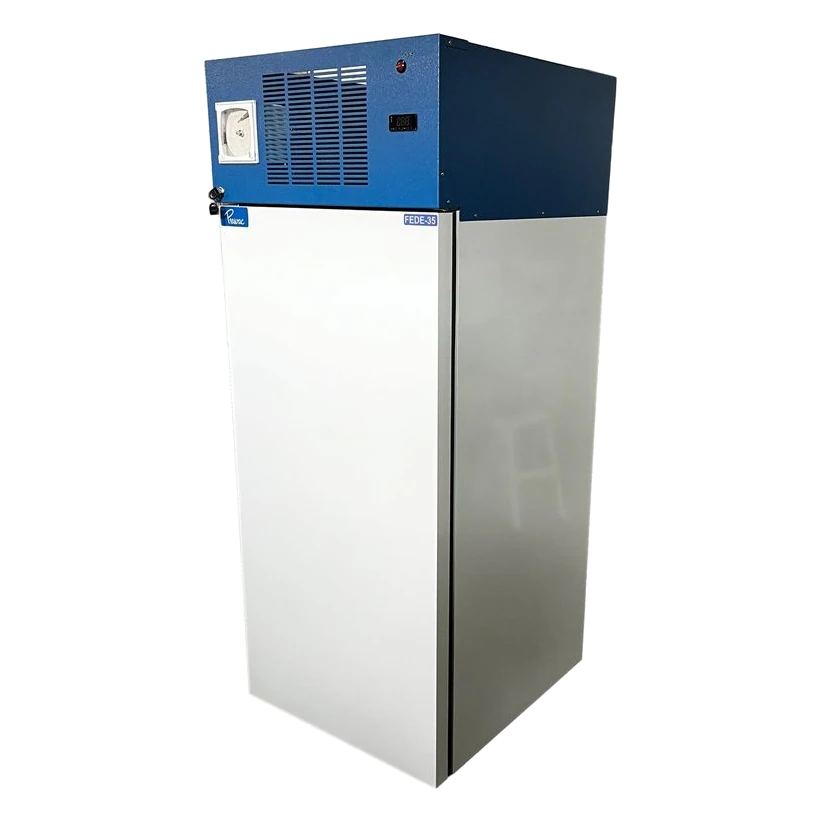
Fresh frozen plasma goes in a freezer, not a refrigerator. The Council of Europe guide allows up to 36 months at −25 °C or colder, or up to 3 months between −18 °C and −25 °C. US rules allow up to 1 year at −18 °C or colder. See the FEDE-35 biomedical freezer (−35 °C) and the FH-80 ultra-low freezer (−80 °C).
Do you provide installation and training?
Yes. Presvac installs the equipment, trains the users and helps plan preventive and corrective maintenance.
To size a blood bank refrigerator, read How to choose a blood bank refrigerator and the FEDE-4 model comparison. See all Presvac refrigerators and freezers or request a quote.
References
- Council of Europe, EDQM. Guide to the preparation, use and quality assurance of blood components, 22nd edition, 2025: sections 4.2.2, 4.2.3 and 4.2.5.
- World Health Organization. The blood cold chain: guide to the selection and procurement of equipment and accessories, 2002: chapter 3, blood bank refrigerators.
- US Code of Federal Regulations. 21 CFR 610.53: dating periods for whole blood and blood components.
- US Centers for Disease Control and Prevention. Vaccine storage units and Temperature monitoring equipment.